Understanding Structural Steel Welding Basics
Structural steel welding is a critical process in the construction and manufacturing industries, forming the backbone of many structural elements in buildings, bridges, and other infrastructures. This technique not only joins steel components but ensures they operate seamlessly under load. The importance of mastering structural steel welding cannot be understated, as it’s integral to the safety and durability of constructed environments. This article delves into the fundamentals of structural steel welding, starting from its definitions to advanced methods, challenges, and future trends. For a comprehensive overview of resources related to structural steel welding, continue reading.
What is Structural Steel Welding?
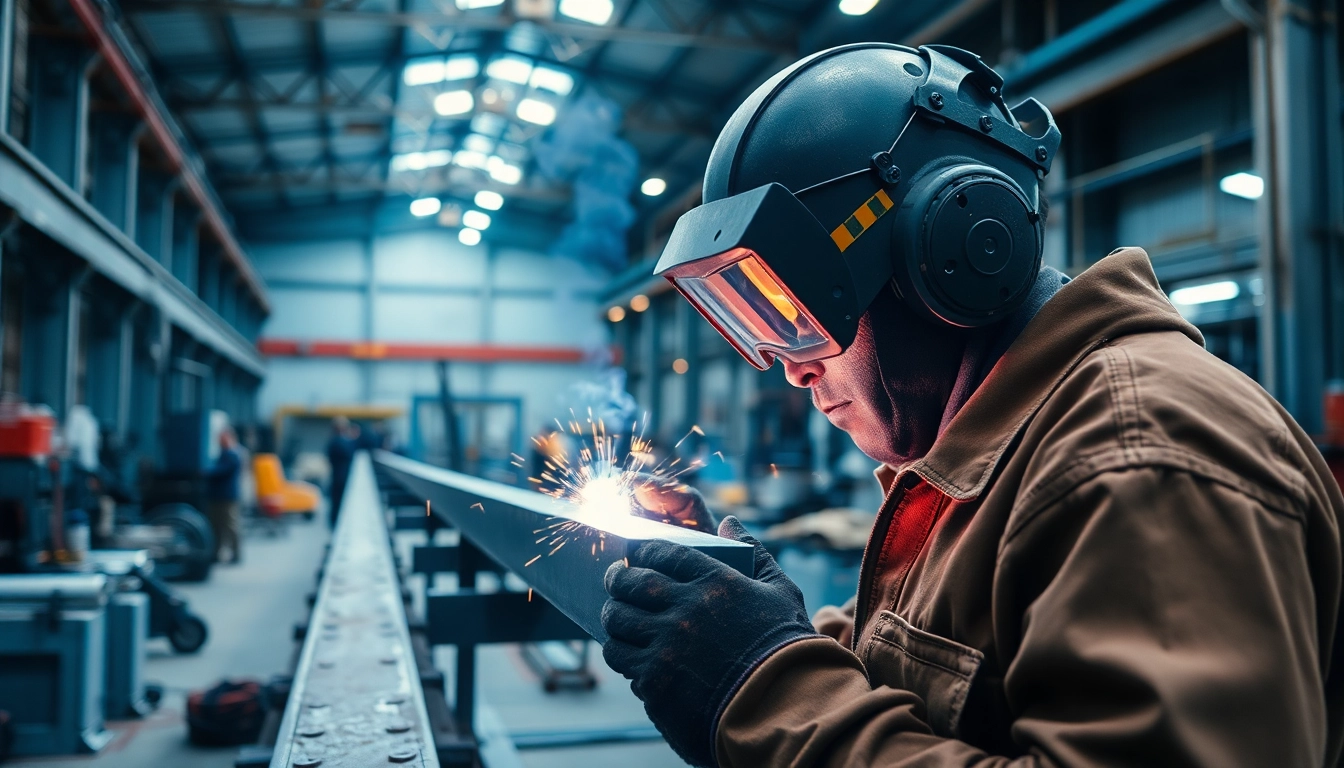
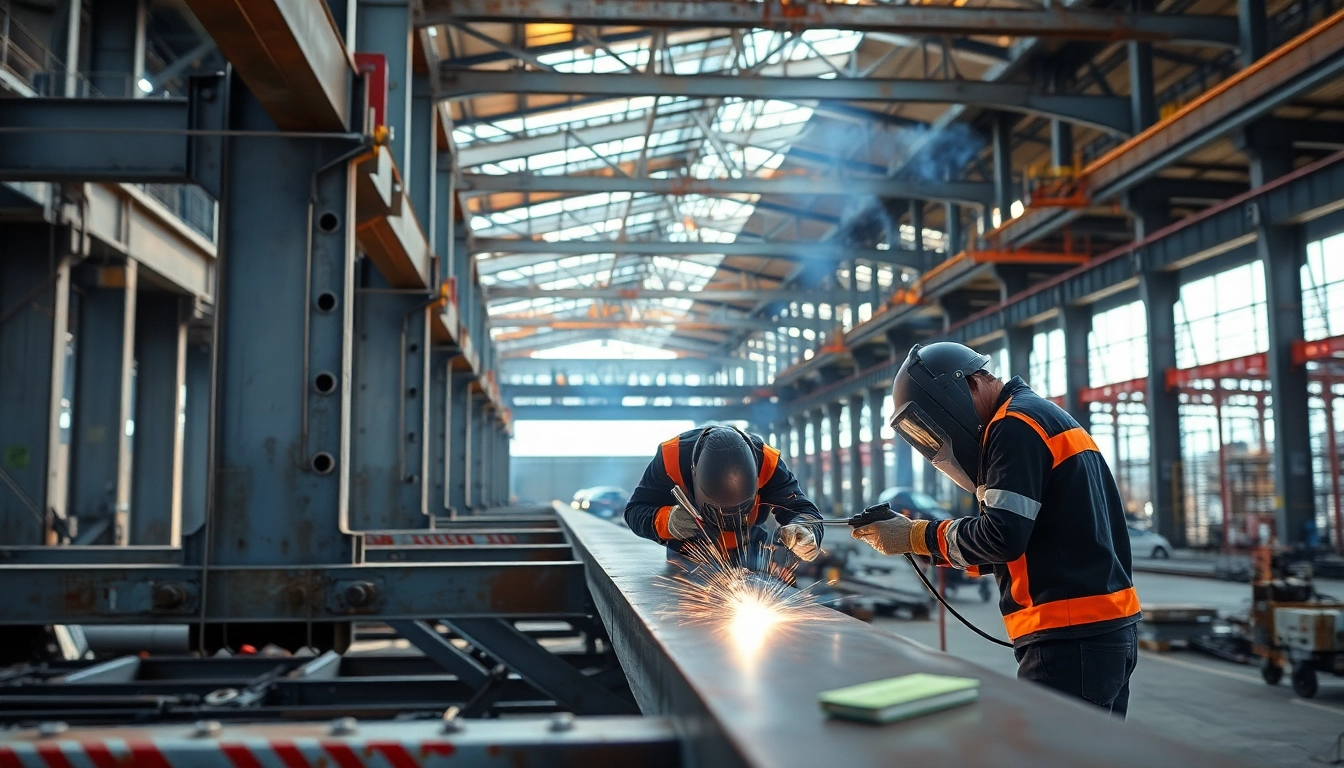
Structural steel welding involves the process of joining steel sections—typically large plates or beams—using various welding techniques to create integrated assemblies capable of bearing substantial loads. This process is prevalent in the construction industry for erecting frameworks for buildings, bridges, and other structures. Unlike simple welding applications, structural steel welding demands higher standards due to the stress and strain these structures endure throughout their life cycle.
Key Techniques in Structural Steel Welding
A variety of welding techniques can be employed in structural steel applications. The most common include:
- MIG (Metal Inert Gas) Welding: Utilizes a continuous wire electrode and an inert gas to protect the weld pool from contamination.
- TIG (Tungsten Inert Gas) Welding: Uses a non-consumable tungsten electrode and a separate filler material, providing high control over the weld.
- Stick Welding (SMAW): A manual process involving a consumable electrode coated with flux that produces a shielding gas during the welding process.
- Submerged Arc Welding: Involves a granular flux that covers the weld pool, allowing for deep penetration and high deposition rates.
Common Materials Utilized in Structural Steel Welding
The choice of materials in structural steel welding significantly impacts the overall durability and performance of the fabricated components. Common materials include:
- Carbon Steel: Highly favored for its strength and versatility in structural applications.
- Alloy Steel: Enhanced properties derived from alloying elements, making it suitable for structural applications requiring greater strength and hardness.
- Stainless Steel: Known for its corrosion resistance, often used in environments prone to moisture.
- Weldable Cast Iron: Special types of cast iron that can be welded, utilized in specific structural applications.
The Importance of Quality in Structural Steel Welding
The significance of maintaining high-quality welding standards cannot be overstated. Quality in structural steel welding directly correlates with the integrity and longevity of structures. Poor-quality welds can lead to catastrophic failures, increased maintenance costs, and significant safety hazards.
How Quality Affects Structural Integrity
Structural integrity is compromised when welding does not adhere to specified standards or procedures. Quality control measures address potential issues like cracks, undercutting, and porosity that can occur in welds. These defects can weaken a structure, potentially causing it to fail under load. Therefore, comprehensive inspection and testing are paramount. Techniques like ultrasound and X-ray testing are commonly employed to ensure weld quality meets applicable standards.
Certifications and Standards for Welders
Welders must adhere to established certifications and standards to ensure their work meets industry expectations. Organizations such as the American Welding Society (AWS) provide certifications that validate a welder’s skills and knowledge related to various welding processes, including structural steel welding. These certifications ensure that welders are equipped to produce durable and reliable welds across assorted applications.
Implementing Quality Control Measures in Welding
Effective quality control measures include regular inspections, training programs for welders, and adherence to proven welding procedures. Conducting weld inspections during and after the welding process promotes early detection of defects, thereby minimizing potential safety risks.
Advanced Techniques in Structural Steel Welding
The evolution of welding technology has introduced advanced techniques and equipment that enhance efficiency, safety, and weld quality.
Innovative Welding Methods and Equipment
New methodologies like laser welding and friction stir welding are garnering attention due to their precision and speed. Laser welding allows for minimal heat input, reducing the risk of distortion, while friction stir welding joins materials without melting the base metal, making it effective for thicker sections.
Advantages of Automated Structural Steel Welding
Automation in welding not only speeds up the process but improves consistency and repeatability, reducing human error. Automated welding systems can operate continuously with minimal supervision, making them ideal for high-demand applications. This not only enhances production rates but also ensures high-quality welds.
Comparing MIG, TIG, and Stick Welding in Steel Projects
MIG, TIG, and stick welding each have unique benefits tailored to different applications. MIG welding is highly efficient and ideal for thicker materials, while TIG welding offers superior control, making it perfect for intricate tasks. Stick welding, though often seen as less sophisticated, is versatile and effective in outdoor environments and for welding rusty or dirty metals.
Challenges in Structural Steel Welding
Despite advancements, structural steel welding presents numerous challenges that must be carefully navigated.
Common Issues in Structural Steel Welding and Solutions
Issues such as warping, distortion, and incomplete penetration are common challenges in structural applications. Solutions include preheating materials, employing proper joint designs, and adjusting welding speeds. Regular training and maintenance for welding equipment also contribute to preventing these widespread issues.
Dealing with Environmental and Safety Concerns
Welding operations often confront environmental factors, such as wind or moisture, that can weaken welds. Safeguarding against these risks includes using windbreaks and ensuring proper ventilation in workplaces. Additionally, safety measures for welders must adhere to industry standards, minimizing exposure to harmful fumes and ensuring that personal protective equipment (PPE) is consistently used.
Mitigating Costs Through Effective Welding Practices
Cost management is vital in structural steel welding. By emphasizing quality control, utilizing automation and efficient training, organizations can reduce rework and material waste. Moreover, investing in high-quality materials and equipment ultimately results in lower long-term costs due to enhanced durability and less frequent repairs.
The Future of Structural Steel Welding
The dynamics of the welding industry are shifting as new technologies emerge and societal needs evolve. Understanding these trends is essential for professionals in the field to remain competitive and relevant.
Emerging Trends in Structural Steel Welding Technology
Recent innovations include the integration of artificial intelligence (AI) and machine learning in welding processes. These technologies can optimize welding parameters in real-time, ultimately improving weld quality and reducing the risk of failure. Moreover, the trend toward lean manufacturing practices encourages efficiency and waste reduction in welding setups.
Role of Sustainability in Welding Practices
Sustainability has become an increasingly critical concern across all industries. In welding, this translates to using eco-friendly materials, reducing waste through efficient practices, and incorporating energy-efficient processes. Many companies are striving to minimize their environmental impact while maintaining high-quality standards in their welding operations.
Future Career Prospects in the Welding Industry
The future for welders looks promising due to an ongoing shortage of skilled professionals. As advancements in technology continue, the demand for qualified individuals adept in both traditional and modern techniques will escalate. Pursuing continuous education, skills training, and certifications is crucial for welders aiming to capitalize on the growing opportunities within the industry.