




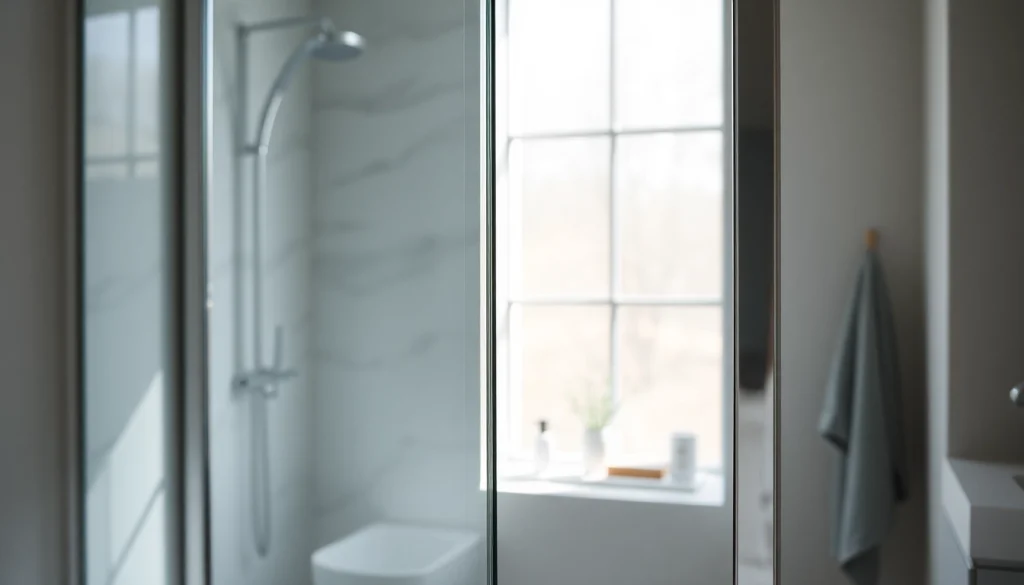
Understanding the Shower Screen Door: A Comprehensive Overview
What is a Shower Screen Door?
A shower screen door is a modern alternative to traditional shower curtains, designed to keep water contained within the shower area while providing a stylish appearance. Typically made from glass, these doors can either slide open or swing outward, allowing for easy access while maintaining a sleek look in the bathroom. The main function of a shower screen door is to prevent water spills onto the bathroom floor, thereby reducing the risk of slips and falls.
Advantages of Installing a Shower Screen Door
Choosing to install a shower screen door offers several advantages over conventional shower curtains. First and foremost, shower screen door provides a more elegant and contemporary aesthetic, instantly elevating the design of your bathroom. Additionally, they are easier to clean and maintain. Unlike fabric curtains that can harbor mold and mildew, glass doors can be easily wiped down for a spotless finish.
Another significant advantage lies in their durability. Most shower screen doors are crafted from tempered glass, making them resistant to scratches and damage, ultimately offering a longer lifespan than traditional curtains. They also contribute to a more open and airy feel within the space by giving the illusion of a larger bathroom.
Key Features to Look for in a Shower Screen Door
When selecting a shower screen door, consider important features that will enhance functionality and your overall user experience:
- Material Quality: Opt for tempered glass, which is both robust and safe, as it shatters into small pieces rather than sharp shards.
- Design Style: Shower screen doors come in various styles, including framed, semi-framed, and frameless options, allowing you to pick one that reflects your personal taste.
- Ease of Use: Ensure the door operates smoothly; sliding doors should glide effortlessly, while hinged doors should open wide.
- Size and Fit: Accurate measurements are crucial to ensure the door fits your shower enclosure perfectly.
- Thickness: The thicker the glass, the sturdier the door; typically, a thickness of 8mm or more is considered best for stability.
Choosing the Right Shower Screen Door for Your Bathroom
Types of Shower Screen Doors
Shower screen doors come in several types, each catering to different bathroom layouts and preferences. The most common types include:
- Sliding Doors: Ideal for compact spaces, these doors glide open without requiring extra space for swing.
- Hinged Doors: Suitable for larger bathrooms, these doors swing outward and create a strong architectural statement.
- Bi-Fold Doors: These fold inwards, saving space while providing easy access, making them perfect for smaller shower areas.
- Corner Doors: Designed specifically to fit corner showers, they maximize space by utilizing the corners effectively.
Material Considerations for Shower Screen Doors
The choice of material is crucial for a long-lasting, functional shower screen door. The main materials used include:
- Tempered Glass: This is the most popular choice due to its strength, safety, and aesthetic appeal. Tempered glass can withstand high temperatures and is resistant to breakage.
- Acrylic: A more budget-friendly option that weighs less than glass but may scratch more easily and lacks the same premium look.
- Laminated Glass: Offering additional safety features, laminated glass consists of a layer of plastic between two layers of glass, preventing shattering.
How to Measure for a Shower Screen Door
Proper measurement is key to ensuring a perfect fit for your shower screen door. Here’s how to accurately measure:
- Measure the width of the shower opening at the top, middle, and bottom. Use the smallest of these measurements to avoid gaps.
- Measure the height of the shower opening from the bottom to the top, ensuring it’s consistent all the way across.
- Check for any obstructions, such as fixtures, that may affect the door’s operation.
- Decide on the door type (hinged or sliding) which may influence your measurements.
Installation Insights: Setting Up Your Shower Screen Door
Essential Tools for Installation
Installing a shower screen door can be a straightforward DIY project if you have the right tools. Essential tools include:
- Measuring tape for accurate dimensions.
- A level to ensure the door is installed straight.
- Drill for securing the door frame to the wall.
- Screwdriver or a power screwdriver for fast installation.
- Silicone sealant for waterproofing around the edges.
Step-by-Step Installation Guide
Follow this step-by-step guide for a successful shower screen door installation:
- Begin by preparing the shower area and laying out all tools and materials.
- Mark the positions where the brackets will be placed using your level to ensure straight installation.
- Drill holes for the wall brackets and install the screws securely.
- Position the shower door onto the hinges or tracks and double-check alignment before securing it with screws.
- Apply silicone sealant around the edges where the door frame meets the wall to prevent water leakage.
- Test the door functionality by opening and closing it several times; make adjustments if necessary.
- Give the silicone ample time to dry as per the manufacturer’s recommendation before using the shower.
Common Installation Challenges and Solutions
While installing a shower screen door is often simple, some common challenges include:
- Uneven Walls: Shim the brackets until the door appears level.
- Incorrect Measurements: Always re-check dimensions before drilling to avoid errors.
- Water Leakage: Ensure proper sealing with silicone around all edges and check for gaps.
Maintenance Tips for Lasting Elegance in Your Shower Screen Door
Cleaning Your Shower Screen Door
Maintaining a pristine shower screen door hinges on regular cleaning routines. Here are expert tips:
- Use a mixture of vinegar and water or a non-abrasive commercial glass cleaner.
- Employ a soft microfiber cloth rather than abrasive scrubbers to avoid scratches.
- Wipe down the door after each use to prevent soap scum build-up.
Preventing Damage and Wear
Preventative measures can prolong the life of your shower screen door:
- Regular inspections for small cracks or chips can prevent larger issues down the line.
- Avoid using harsh chemicals that can deteriorate the glass and seals.
- Address any water spots quickly with proper cleaning techniques.
When to Consider Professional Help
Although many choose to install shower screen doors independently, certain situations warrant professional assistance:
- When dealing with unusually shaped enclosures or intricate installation processes.
- If the existing bathroom infrastructure presents challenges, such as plumbing or structural issues.
- Any concerns regarding safety, particularly with handling large sheets of glass.
Frequently Asked Questions about Shower Screen Doors
What are the benefits of a shower screen door over curtains?
Shower screen doors offer a sleek look, are easier to clean, and prevent water spills more effectively than curtains.
How do I clean my shower screen door?
Use a mixture of vinegar and water or a commercial glass cleaner, along with a soft cloth, to keep it spotless.
Can shower screen doors be installed in any bathroom?
Yes, shower screen doors can fit in most bathroom layouts, but measuring the space accurately is crucial.
What materials are best for shower screen doors?
Tempered glass is most common due to its durability, but some options include acrylic and laminated glass.
How often should I replace my shower screen door?
With proper care, a shower screen door can last many years, but consider replacement if you notice cracks or significant wear.