

The Inspiration Behind Rock View Road Revival
Understanding Architectural Revival Trends
Architectural revival is a compelling response to modernity, driven by an appreciation for historical styles and cultural significance. The Rock View Road Revival embodies this essence, intertwining contemporary needs with traditional aesthetics. This trend is not merely about replication; it’s an exploration of how past designs can inspire innovative solutions, allowing communities to retain their historical charm while adapting for modern use.
Historical Significance of Rock View Road
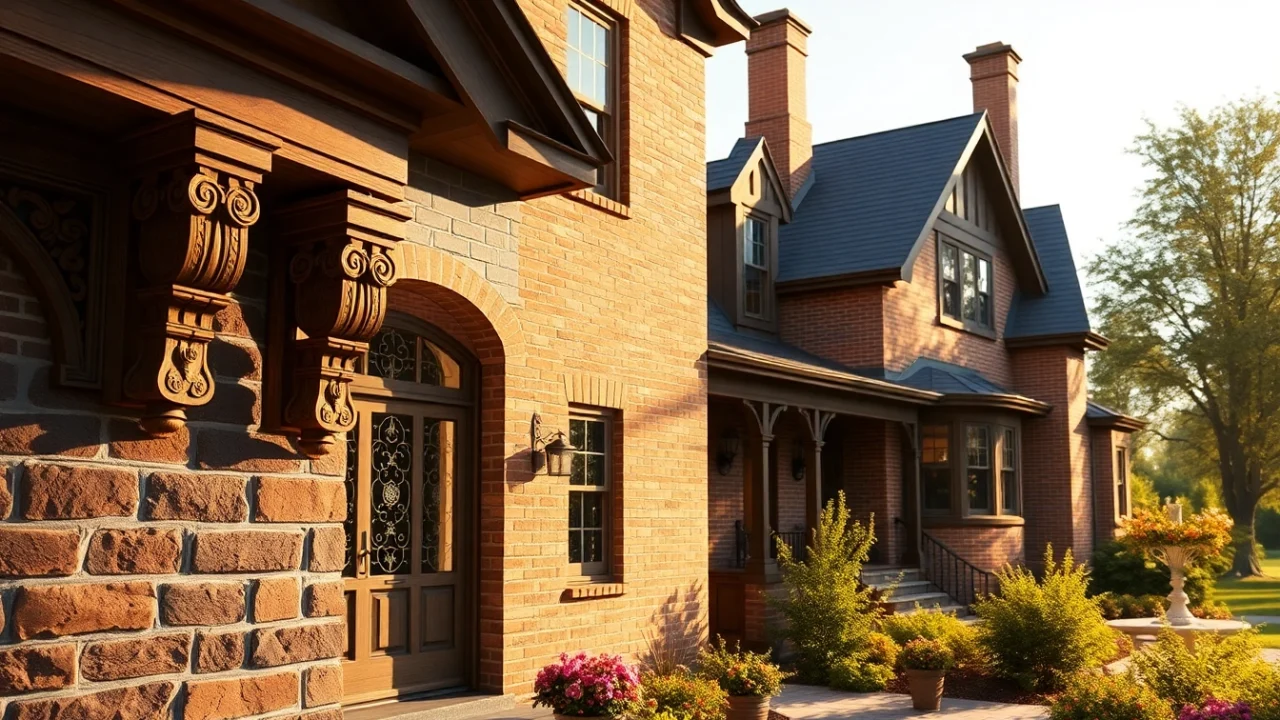
Rock View Road boasts a rich tapestry of history, marked by architectural styles that reflect different eras and cultural influences. From mid-century modern homes to craftsman bungalows, each structure tells its own story, revealing the evolution of design philosophies and community values. Through the Rock View Road Revival, efforts are being made to preserve these historical narratives while updating the infrastructure for contemporary living.
How Design Shapes Community Identity
Design does more than provide shelter; it shapes how communities interact and define themselves. Rock View Road’s architectural revival aims to enhance community identity by celebrating local heritage. This revival fosters pride among residents, serving as a catalyst for increased community involvement and cohesion. Throughout the design process, community input has been paramount, ensuring that the revival resonates with contemporary needs while respecting historical context.
Key Features of Rock View Road Revival
Architectural Styles Reflected in the Revival
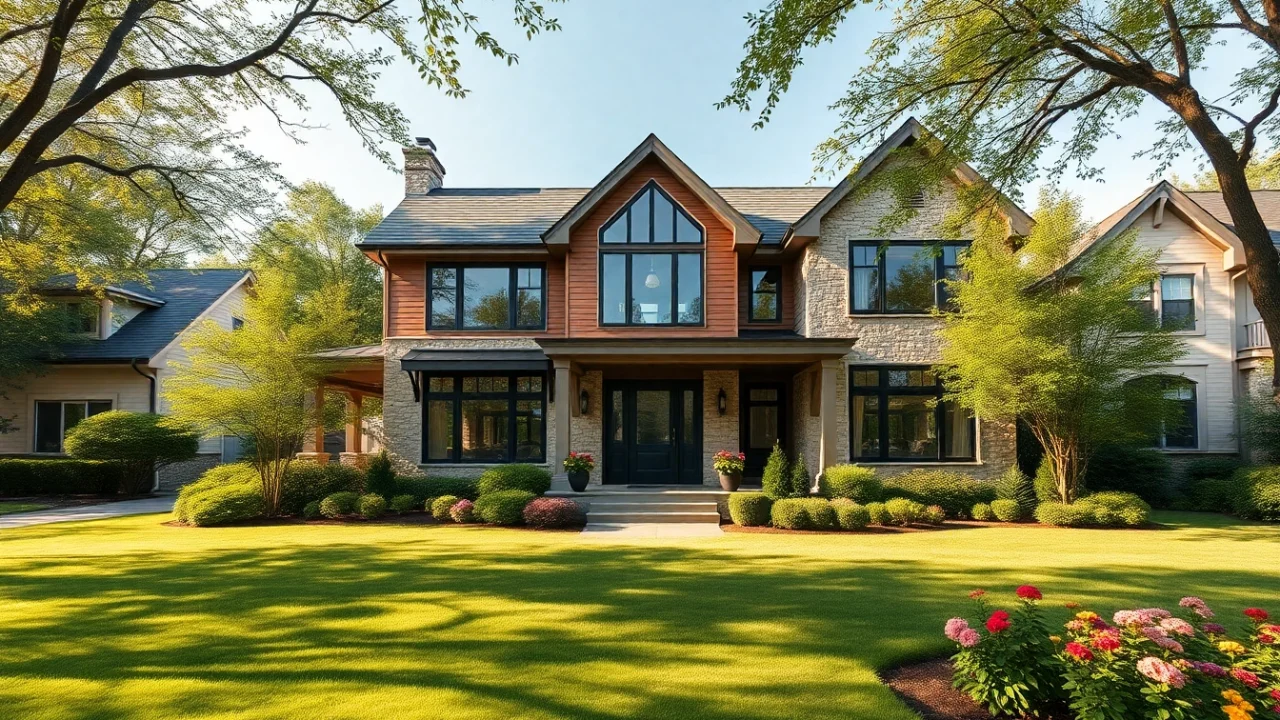
The architectural revival along Rock View Road features a harmonious blend of various styles, including mid-century modern, contemporary, and neo-eclectic elements. This careful curation allows the revival to pay homage to the area’s rich history while introducing fresh perspectives. Each new addition respects the unique character of its predecessor, ensuring continuity throughout the streetscape.
Innovative Materials and Techniques Used
Emphasizing sustainability alongside aesthetics, the Rock View Road Revival utilizes innovative materials such as reclaimed wood, locally-sourced stone, and energy-efficient glass. These materials not only enhance the buildings’ visual appeal but also contribute to their longevity and functionality. The use of advanced construction techniques, including modular construction and 3D printing, ensures that projects are completed efficiently, minimizing waste and environmental impact.
Landscaping and Outdoor Space Integration
Landscaping plays a pivotal role in the Rock View Road Revival, transforming outdoor spaces into vibrant community hubs. The landscaping design promotes biodiversity by integrating native plants and creating green spaces that serve as gathering places for residents. Inclusive outdoor areas encourage social interaction, fostering a sense of belonging and community among residents, which is integral to the success of the revival.
Challenges in the Rock View Road Revival Project
Preservation vs. Modernization
The tension between preservation and modernization is a fundamental challenge in the Rock View Road Revival. While there’s a strong desire to uphold the historical integrity of existing structures, the need for modern amenities and services remains paramount. This balancing act requires thoughtful planning, ensuring that each project respects the architectural history while effectively meeting current living standards.
Managing Community Expectations
Community engagement is critical in shaping the Rock View Road Revival. It’s essential to manage diverse opinions and expectations, as residents may have differing ideas about what constitutes the ideal blend of old and new. Open dialogues, regular updates, and inclusion in the decision-making processes have been crucial strategies in fostering a shared vision and mitigating conflicts.
Budgeting for a Complex Restoration
Restorative projects like Rock View Road Revival often encounter budgetary constraints, particularly in areas requiring specialized restoration work. Effective budgeting involves thorough initial assessments, realistic estimations for restoration costs, and seeking alternative funding sources. Comprehensive project planning and continuous monitoring of costs help keep the budget on track, even as unexpected challenges arise.
Sustainability Practices in Rock View Road Revival
Energy Efficiency in Modern Architecture
Energy efficiency is a core principle guiding the renovation of Rock View Road. Innovative designs incorporate passive solar heating, high-performance insulation, and energy-efficient appliances. These features significantly reduce energy consumption and the carbon footprint of each building, aligning with broader goals for sustainable development and environmental stewardship.
Using Eco-Friendly Materials
In the pursuit of sustainability, the revival has prioritized the use of eco-friendly materials, such as recycled and rapidly renewable resources. Choosing materials that have a lower environmental impact not only contributes to sustainability goals but also enhances indoor air quality and occupants’ health. This approach supports the philosophy that mindful building practices can lead to both aesthetic and ecological benefits.
Creating Lasting Impact on the Environment
The Rock View Road Revival is committed to creating a positive environmental legacy. This commitment involves promoting practices such as stormwater management, biodiversity enhancement, and the preservation of green spaces. By integrating ecology into architectural design, the revival aims to foster a symbiotic relationship between the built environment and nature, ensuring lasting benefits for future generations.
Future Trends in Architectural Revivals
Smart Home Technologies in Revivals
The adoption of smart home technologies is set to redefine the landscape of architectural revivals, including the Rock View Road Revival. Implementing intelligent systems for lighting, heating, and security can enhance the user experience while promoting energy efficiency. These technologies enable homeowners to optimize their energy use, thereby contributing to sustainable living practices.
Adapting to Climate Change in Design
As climate change continues to impact communities globally, the revival projects are increasingly focused on adaptability. Rock View Road is integrating resilient design principles, such as elevated structures and flood-resistant landscaping, to withstand potential climate impacts. This proactive approach ensures that homes remain safe and functional in the face of environmental challenges, reinforcing the importance of forward-thinking in architectural design.
Community Engagement in Revival Projects
Community engagement remains a fundamental aspect of future architectural revivals. As seen in the Rock View Road Revival, soliciting feedback and involving residents in the planning process fosters a sense of ownership and pride in the project. Continued community collaboration will advance the goal of ensuring that future developments genuinely reflect the needs and aspirations of local populations.
Frequently Asked Questions
What is the Rock View Road Revival project?
The Rock View Road Revival is a comprehensive architectural restoration initiative focusing on preserving and revitalizing historical homes while integrating modern amenities.
Why is sustainability important in the Rock View Road Revival?
Sustainability is crucial as it helps reduce the environmental impact of construction, promotes energy efficiency, and enhances community wellbeing through eco-friendly practices.
What challenges does the Rock View Road Revival face?
Key challenges include balancing historic preservation with modernization, managing community expectations, and navigating budget constraints during restoration.
How does community engagement influence the revival?
Community engagement ensures that the revival aligns with residents’ needs and desires, fostering a collective vision that enhances community pride and involvement.
What future trends will impact architectural revivals?
Future trends likely include integrating smart home technology, adapting designs to climate change, and further embracing community-driven planning in architectural projects.