Understanding Fly Fishing Tippet Fundamentals
What is Fly Fishing Tippet?
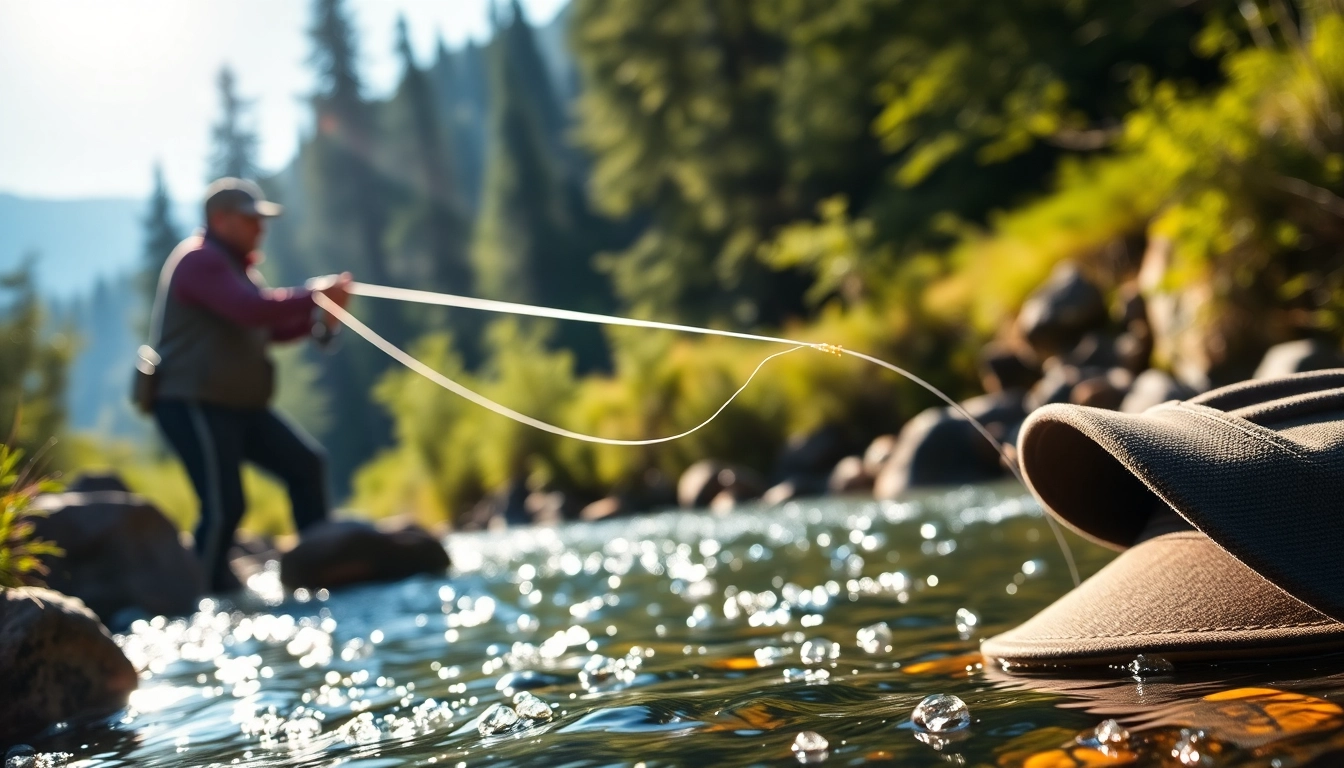
In the realm of fly fishing, understanding the concept of fly fishing tippet is essential. The tippet is essentially the final segment of line that connects the fly to the leader. This part of the fly fishing line is typically thinner than the leader and is designed to be nearly invisible in the water, allowing for a more natural presentation of the fly. It enables anglers to maintain a delicate balance between visibility and strength, providing an optimal setup for various fishing conditions.
The Importance of Tippet Selection
The selection of the right tippet can dramatically influence the success of your fishing endeavor. A well-chosen tippet allows for better presentations of the fly, which is crucial when targeting wary fish. Depending on the species, the conditions of the water, and the size and type of the fly, the tippet’s diameter and material can impact the catch rate. Choosing the right tippet is not merely an afterthought; it is an integral part of the fly fishing strategy that can make or break your outing.
Types of Fly Fishing Tippet Materials
When it comes to materials, fly fishing tippets predominantly come in two varieties: nylon (monofilament) and fluorocarbon. Each material has its unique characteristics, advantages, and drawbacks:
- Nylon Monofilament: This is the most widely used tippet material. It is buoyant, relatively inexpensive, and easy to knot. However, it has a higher visibility in water compared to fluorocarbon and is less abrasion-resistant.
- Fluorocarbon: Known for its superior invisibility underwater, fluorocarbon is denser and sinks faster than nylon. It offers better abrasion resistance, making it ideal for heavier cover or species like bass and pike. However, it can be more expensive and may be less supple compared to monofilament.
How to Choose the Right Fly Fishing Tippet
Matching Tippet to Fly Size
One of the first considerations in tippet selection is matching it to the size of the fly being used. Typically, you want to use a tippet that is between 60-80% of the breaking strength of your fly. For instance, if you’re using a size 16 fly, a tippet in the range of 5X (around 0.007 inches in diameter) is generally suitable. This approach allows the fly to drift naturally and prevents the tippet from overpowering the delicate presentation.
Evaluating Water Conditions for Tippet Choice
Water conditions play a significant role in determining the appropriate tippet. In clear waters where fish are more cautious, thinner, and less visible tippets are preferable. Conversely, in murky waters where visibility is compromised, a heavier tippet may be advisable. Additionally, strong currents necessitate a stronger tippet to withstand the pulling force without breaking, adding another layer to your decision-making process.
Common Mistakes in Tippet Selection
Even seasoned anglers can make critical errors when selecting tippets. A common mistake is using a tippet that is too heavy, which can detract from the fly’s natural presentation and scare off fish. Another frequent misstep is failing to adjust the tippet size based on the changing conditions of the water or the type of fish being targeted. Regularly assessing the environment and being flexible in your choices can greatly enhance your fishing success.
Best Practices for Tippet Connection Techniques
Comparing Knot Types for Strong Connections
Securing the fly to the tippet involves various knots, and choosing the right one can be crucial for both performance and success. Some of the most reliable knots include:
- Improved Clinch Knot: This knot is popular among anglers for its reliability and simplicity. It holds well and is easy to tie under stress.
- Braid Knot: Perfect for attaching heavier tippets or when strength is paramount, the braid knot offers a strong connection.
- Double Surgeon’s Knot: This is effective for tying together two lines of differing diameters, such as a thicker leader to a thinner tippet.
Maintaining Line Strength and Integrity
While the choice of knot is essential, how you handle and maintain your line can prevent unforeseen breaks or failures. Inspecting your tippet before each outing for nicks and abrasions can help you avoid disappointment. Moreover, ensuring that knots are tied correctly and checked for security will maintain overall line integrity during your fishing activities.
Tips for Avoiding Common Knot Issues
Common issues with knots can lead to lost fish and frustration. To avoid these, ensure that each knot is moistened before tightening, as this can prevent friction burns that might weaken the line. Practice tying knots at home, so you can do so quickly and efficiently when you’re on the water. Regularly check for any signs of damage during your fishing session, and be ready to re-tie if necessary.
Frequently Asked Questions About Fly Fishing Tippet
How often should I replace my fly fishing tippet?
It’s advised to replace your tippet after every few fishing trips or if you notice any abrasions. Regular checks are crucial to maintaining performance.
What weight tippet should I use for trout fishing?
For trout fishing, a common choice is 5X tippet, which balances strength and stealth. Adjust based on the size of your fly and water conditions.
Can I use a fluorocarbon tippet in saltwater environments?
Yes, fluorocarbon is suitable for saltwater fishing due to its abrasion resistance. However, always ensure you’re using the right weight for the species targeted.
Advancing Your Skills with Fly Fishing Tippet
Integrating Tippet Knowledge into Your Strategy
Advancing your fly fishing skills involves more than just choosing the right tippet; it includes developing an understanding of how tippet interacts with various factors, from water clarity to fish behavior. Integrating this knowledge into your overall fishing strategy can lead to more successful outings. Being observant of how the tippet performs can inform future selections and improve your overall success rate.
Experimenting with Tippet Length for Best Results
Tippet length can also influence the behavior of your fly. Longer tippets can create a more natural drift but may lead to tangles or line management issues. Conversely, shorter tippets provide better control and are easier to manage, particularly in windy conditions. Experimenting with different lengths during your outings can help you discover what works best for the specific conditions you face.
Performance Metrics: Measuring Tippet Confidence
As you refine your skills, tracking your performance metrics can be beneficial for improvement. Keeping a fishing journal detailing the tippets used, water conditions, and your success rate can provide invaluable insights into what combinations yield the best results. Over time, you can identify patterns and fine-tune your approach, allowing you to fish with confidence.