
What Is Drayage?
Definition and Overview of Drayage
Drayage is a crucial component within the logistics sector, referring specifically to the transport of shipping containers over short distances, usually by truck. This term is commonly associated with a broader scope of freight transportation, incorporating various transport modes such as ocean and rail freight. The essence of drayage lies in its ability to facilitate timely and efficient movement of goods, bridging gaps between transportation hubs, ports, and distribution centers. It generally involves the transportation of freight within a 50-mile radius, making it an indispensable process in logistics and supply chain operations.
Understanding the nuances of drayage requires knowledge of the types of drayage services, the actors involved, and the overall significance in maintaining supply chain efficiency. Whether it’s hauling containers from a rail terminal to a warehouse or moving cargo from ships to customs facilities, drayage services are foundational in enabling goods to reach their final destinations promptly.
Key Components of Drayage Services
Several key components comprise drayage services, including:
- Container Management: Managing the logistics of containers before, during, and after transit is vital. This includes tracking container availability and ensuring that the correct containers are dispatched for pickup.
- Trucking Services: Specialized trucking companies, known as drayage carriers, play a critical role in transporting goods from one point to another, often handling the loading and unloading processes associated with containers.
- Intermodal Connections: Drayage is often a segment of intermodal transport, where different transportation methods are interconnected. Understanding how drayage fits into this broader system is essential for maximizing efficiency.
- Customs and Regulatory Compliance: Navigating regulatory requirements and ensuring the timely clearing of goods through customs is paramount for drayage services; failure to comply can lead to delays and additional costs.
Importance of Drayage in Supply Chain
The role of drayage in the supply chain cannot be overstated. It not only facilitates the swift movement of goods across various platforms but also impacts overall operational efficiency. Here are several reasons why drayage is vital:
- Speed: Drayage services enhance the speed of delivery, allowing cargo to reach destination points faster, which is crucial in today’s fast-paced market conditions.
- Flexibility: The adaptability of drayage services accommodates variable shipping needs, making it easier to respond to demand fluctuations.
- Cost-Effectiveness: Effective drayage strategies can help minimize costs associated with delays, demurrage fees, and storage, leading to more streamlined operations.
- Inventory Management: Drayage helps businesses manage inventory more effectively by ensuring that goods are available when needed, contributing to just-in-time (JIT) inventory strategies.
The Role of Drayage in Logistics
How Drayage Connects Different Transport Modes
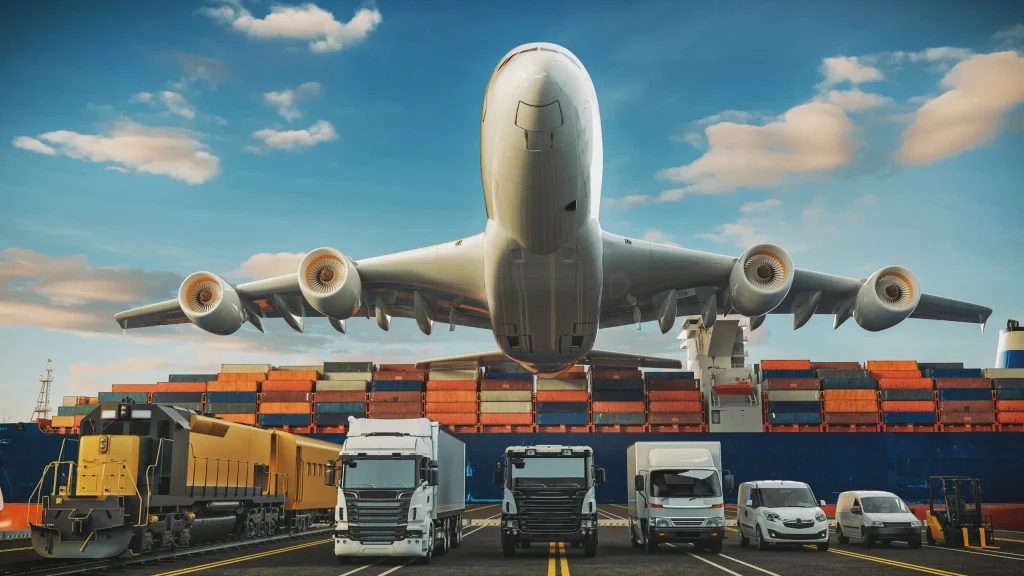
Drayage serves as a pivotal link in the logistics chain by connecting various transport modes, including rail, ocean, and road freight. This connectivity enables seamless transitions between shipping methods, which is essential in intermodal logistics. For instance, after cargo is offloaded from a cargo ship, drayage providers transport these containers to rail terminals for long-haul transport. This effectively minimizes the time containers spend idle and maximizes utilization across transport channels.
Factors Affecting Drayage Efficiency
The efficiency of drayage operations is influenced by several factors:
- Traffic Conditions: Urban infrastructure and traffic congestion can severely affect drayage efficiency. Planning routes that avoid peak traffic hours helps improve delivery times.
- Container Availability: The synchronization in the availability of containers for loading and unloading is crucial. Delays in container accessibility can lead to increased demurrage charges.
- Technology Integration: Utilizing technology, such as GPS tracking and load boards, can lead to improvements in route planning and vehicle dispatching, enhancing overall efficiency.
- Labor Availability: Availability of skilled labor for driving and loading containers is critical, especially in regions facing labor shortages. Ensuring proper staffing is necessary to minimize delays.
Common Challenges in Drayage Operations
While drayage is essential for smooth supply chain operations, it is not without its challenges:
- Demurrage Charges: Delays in the transport of containers can lead to demurrage fees, a cost that can add up quickly and impact overall profitability.
- Regulatory Compliance: Adhering to import/export regulations and customs clearance processes can be complicated and time-consuming.
- Market Volatility: Fluctuations in market demand can lead to unexpected spikes in drayage prices, affecting budgeting and cost planning for logistics operations.
- Environmental Regulations: Increasingly stringent environmental regulations require drayage providers to adapt their operations, often necessitating investment in cleaner technologies and practices.
Drayage vs. Other Freight Methods
Comparing Drayage to Long-Distance Freight Transport
When considering freight transportation methods, it’s essential to differentiate drayage from long-distance freight transport. While drayage focuses on short-distance movements—typically less than 50 miles—long-distance transport involves completing extended journeys that may cover numerous states or countries. Drayage can be seen as an intermediary service, ensuring that cargo transitions smoothly between transportation modalities, ultimately feeding into longer transport routes. Businesses must evaluate their logistics needs and assess the role drayage plays in their overall transportation strategies, particularly when dealing with specific cargo types that require special handling during drayage operations.
Understanding the Distinction Between Drayage and Cartage
Drayage is often confused with cartage, but the two terms denote different services. While drayage specifically refers to the transport of shipping containers over short distances between intermodal points, cartage typically refers to the movement of goods within a specific geographic area, often involving smaller shipments. Cartage may not necessarily involve containers, whereas drayage is container-centric, emphasizing its role in connecting broader shipping routes.
When to Choose Drayage Over Alternative Options
Choosing drayage services is often dictated by specific logistics conditions. Here are instances when drayage is the most viable option:
- When You Need Quick Transport: If there is a pressing need to move heavy cargo swiftly from the port to a distribution center, drayage offers a fast solution.
- For Intermodal Operations: When logistics operations require the integration of multiple transport methods, utilizing drayage ensures that logistics flow is maintained.
- In Urban Settings: For urban deliveries, drayage can be more effective given shorter distances, reducing the overall transportation carbon footprint while maximizing efficiency.
Best Practices for Drayage Services
Optimizing Drayage Routes for Efficiency
Efficiency in drayage services requires careful planning and optimization of transport routes. Here are strategies for achieving this:
- Use of Technology: Implementing route optimization software can help dispatchers find the quickest, most fuel-efficient routes, reducing costs and delivery times.
- Real-Time Tracking: Employ GPS tracking systems to monitor vehicles in transit, enabling dynamic route adjustments to avoid traffic and delays.
- Regular Review of Routes: Continuously assess routes for their viability and cost-effectiveness; updating routes can lead to significant savings in the long run.
- Communication: Foster an environment of communication among all stakeholders, including drivers, shippers, and receivers, to ensure that everyone is informed and can adapt to changes quickly.
Technology’s Impact on Drayage Operations
Technology has transformed drayage operations significantly. Here are some of the critical technological advancements:
- Automated Dispatching: Automating the dispatch process streamlines operations, reducing the chances of human error and improving service efficiency.
- Advanced Analytics: Utilizing data analytics helps in predicting peak times, managing inventory levels, and optimizing resource allocation.
- Mobile Applications: Mobile solutions provide real-time updates to drivers and logistics managers, fostering better decision-making and reduced turnaround times.
Cost Management Strategies in Drayage
Cost management is vital for enhancing the profitability of drayage operations. The following strategies can help control drayage costs:
- Negotiating Contracts: Building strong relationships with carriers and negotiating favorable contracts can lead to reduced costs on transport operations.
- Investing in Technology: Although it may require upfront investment, adopting technology such as automated systems can lead to significant operational savings over time.
- Monitoring and Analysis: Conduct regular analyses of logistics costs and identify inefficiencies; adjusting operations based on these insights can enhance profitability.
Future Trends in Drayage
Emerging Technologies Shaping Drayage
The drayage landscape is evolving rapidly, with several emerging technologies poised to shape the future of operations:
- Electric and Autonomous Vehicles: The use of electric trucks is increasing, driven by environmental concerns and regulatory changes, while autonomous technology promises to reduce labor costs and enhance efficiency.
- Blockchain Technology: Blockchain presents a transformative potential for drayage operations by improving transparency and traceability across supply chains, which can help manage compliance and reduce fraud.
- Internet of Things (IoT): IoT devices will likely play a key role in real-time monitoring of shipments, enhancing the ability to manage the logistics network more effectively.
The Future of Sustainable Drayage Operations
As sustainability becomes increasingly paramount in business operations, the drayage sector must adapt. Future sustainable practices may include:
- Green Certifications: Obtaining certifications for eco-friendly operations can help companies appeal to environmentally conscious consumers and partners.
- Carbon Offsetting: Companies may embrace carbon offsetting practices, investing in ecological initiatives to counteract emissions caused by their operations.
- Fuel Efficiency Initiatives: Investing in fuel-efficient technologies and practices will continue to be critical in reducing the environmental impact of drayage.
Insights from Industry Leaders on Drayage
Industry experts emphasize the importance of adaptability and responsiveness to market changes in the drayage sector. Continuous learning and staying updated with technological advancements, alongside maintaining strong relationships with stakeholders, is essential for success in the ever-evolving logistics landscape. Additionally, collaboration across the supply chain segments is vital to minimizing inefficiencies and overcoming challenges, ensuring that drayage remains a reliable and effective component of freight transport.