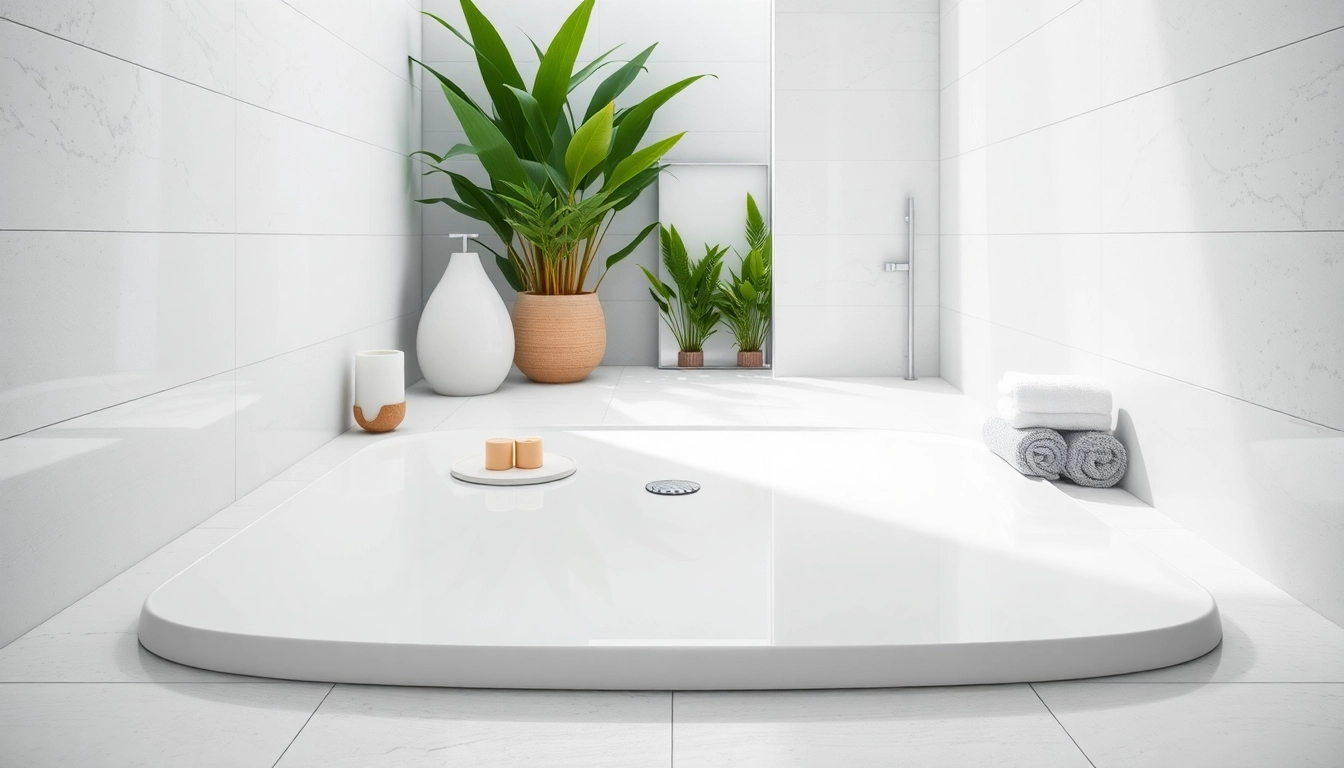
Understanding the Importance of Shower Base
A shower base serves as one of the crucial components of a bathroom design, influencing both the functionality and the aesthetics of the overall space. While many homeowners might overlook its significance, the choice of shower base can dramatically affect water drainage, ease of use, and even the longevity of your bathroom fixtures. In this article, we will delve into the nuance of shower bases, examining their design, material choices, and addressing common misconceptions that may guide homeowners in their selection process.
Functionality and Design
The functionality of a shower base is paramount as it is responsible for proper water drainage, ensuring that the wet area remains contained and dry. Notably, a shower base must facilitate smooth water flow towards the drain while preventing leaks that could potentially damage flooring or lower walls. Design is equally important, merging aesthetics with practicality. Options range from sleek and modern minimalist bases to classic designs that complement various interior styles. The balance of functionality and design often dictates the overall feel of the bathroom.
Choosing Materials
Selecting the right material for your shower base is crucial. Common materials include acrylic, fiberglass, ceramic, and natural stone, each with unique benefits and drawbacks. Acrylic and fiberglass bases are lightweight, easy to install, and resistant to stains, while ceramic and natural stone offer a more luxurious appearance but may require more maintenance. Understanding the properties of each material can help homeowners make informed decisions based on their budget, style preference, and specific bathroom needs.
Common Misconceptions
There are several misconceptions surrounding shower bases that can lead to poor decision-making. One of the most widespread beliefs is that all shower bases are the same. In fact, variations in size, shape, drainage systems, and materials greatly affect performance and aesthetics. Another prevalent myth is that a shower base is merely a surface. In reality, it plays a critical role in the overall plumbing design and interactions with various bathroom elements. By debunking these myths, homeowners can navigate their shower base selection with greater confidence.
Types of Shower Bases Available
Prefabricated Shower Base Options
Prefabricated shower bases are a popular choice for many homeowners due to their convenience and time-saving characteristics. These bases are pre-molded in standard sizes and come in various styles to suit different bathrooms. Often made from acrylic or fiberglass, prefabricated bases are lightweight, durable, and relatively easy to install, making them an excellent option for DIY enthusiasts. Their common misuse points to incorrect measurements, leading to gaps that can trap water and create mold issues. Proper measurement before purchasing is crucial to ensure a perfect fit.
Custom Shower Base Installations
For those looking for a tailored approach, custom shower bases offer a multitude of design possibilities. Homeowners can select their preferred materials, shapes, and sizes, allowing for a bespoke solution that fits their unique bathroom layout. Custom bases can be made from stone, tile, or other high-end materials that elevate the overall look of the shower area. However, custom installations often come with higher costs and longer lead times compared to prefabricated options. It's essential to work with a qualified contractor who understands local plumbing codes and installation techniques when opting for a custom approach.
Comparing Sizes and Shapes
Shower bases come in various sizes and shapes, including square, rectangular, neo-angle, and even custom shapes. The size and shape you choose will significantly affect the flow and functionality of your space. Standard sizes are designed to fit easily within existing layouts, while custom shapes can optimize space in smaller bathrooms. When selecting a shower base, consider the dimensions of the bathroom and the placement of plumbing, ensuring that the chosen style complements the overall design and meets practical requirements such as accessibility and water flow.
Factors to Consider When Selecting a Shower Base
Indoor vs. Outdoor Use
While shower bases are primarily associated with indoor settings, some homeowners wish to extend these features to outdoor shower areas. Indoor shower bases need to be durable and water-resistant, while outdoor versions should be designed to withstand weather conditions. Materials such as treated acrylic or slip-resistant stone are advisable choices for outdoor use, ensuring that safety and durability are maintained under different environmental stresses.
Drain Positioning
Drain positioning is a critical factor that can influence the efficiency of a shower base. Typically, drains are placed either in the center or at one end of the base. When selecting a shower base, ensure that the drain is positioned according to existing plumbing. An awkwardly placed drain can lead to standing water and create an ineffective drainage system, resulting in hygiene issues and potential damage over time. Consulting a plumbing specialist will facilitate the ideal placement for both new and existing fixtures.
Accessibility Considerations
Designing a bathroom for universal accessibility means selecting a shower base that accommodates all users, including those with mobility issues. Low-threshold shower bases are essential for seniors or disabled individuals, providing easier access without the need to step over a high edge. Additionally, adding grab bars and a shower seat can enhance accessibility, promoting a safer environment. Planning for accessibility during the initial selection can prevent expensive renovations in the future.
Installation Process for Shower Base
Preparation and Materials Needed
Installing a shower base requires thorough preparation and specific materials. Essential items include a shower base, leveling compound, mortar, waterproof membrane, and screws for securing the base. Prior to installation, ensure the area is completely clean and measure all dimensions accurately. Any existing plumbing must be checked and adjusted to accommodate the new installation. Ensuring a waterproof barrier is in place will prevent leaks and water damage, prolonging the shower base's lifespan.
Step-by-Step Installation Guide
- Prepare the Subfloor: Ensure the subfloor is clean, dry, and level. Any uneven areas should be addressed with a leveling compound.
- Install Drain Flange: Position the drain flange carefully according to your shower base specifications.
- Set the Waterproof Membrane: This will act as a barrier against moisture. Secure it according to the manufacturer’s instructions.
- Place Mortar Bed: Create a thin layer of mortar to support the shower base evenly.
- Install Shower Base: Carefully lower the shower base onto the mortar and adjust for level.
- Secure and Seal: Once leveled, secure the base according to the instructions and seal any joints appropriately.
Common Installation Pitfalls
During installation, several common pitfalls can hinder the effectiveness of your shower base. Misalignment of the drain or incorrect sealing can lead to water damage and inefficiencies. Using too little mortar or uneven application can create weak points in the base. Additionally, insufficient preparation of the subfloor can lead to drainage problems. Regular checks during installation can help to catch issues early, ensuring a sound and stable installation.
Maintaining Your Shower Base for Longevity
Cleaning Tips and Tricks
To maintain the aesthetic and functional integrity of your shower base, regular cleaning is essential. Utilize non-abrasive cleaners to avoid scratching surfaces, and a squeegee after each use will help eliminate water spots—ideal for promoting a pristine look. For tougher stains, a mixture of baking soda and vinegar provides an eco-friendly alternative for removing soap scum and mildew without harmful chemicals.
Preventing Damage and Wear
Preventing damage to your shower base involves integrating certain best practices to prolong its life. Installing a shower mat can prevent scratches and fractures, and regulating water temperature can help maintain the integrity of surrounding surfaces. Additionally, it’s crucial to avoid the buildup of chemicals that can erode materials over time. Periodic inspection for cracks or loose fittings can promote early intervention and prevent significant damage.
When to Replace Your Shower Base
Recognizing when it's time to replace your shower base is crucial for household maintenance. Signs of wear such as cracks, stains that cannot be removed, or persistent leaks signify that it may be time for a replacement. Additionally, if the base has turned slippery or no longer fits well with your plumbing setup, a new installation may be warranted. Addressing these issues swiftly can save on costly repairs and enhance the bathroom experience.
FAQs
1. What is the average lifespan of a shower base?
The lifespan can vary by material, but a well-maintained shower base can last anywhere from 10 to 30 years.
2. Can I install a shower base by myself?
Yes, with proper preparation and the right tools, many homeowners can install a shower base as a DIY project. However, consulting professionals can ensure compliance with plumbing codes.
3. Are custom shower bases more expensive?
Custom shower bases generally cost more than prefabricated options due to tailored materials, installation labor, and design complexity.
4. How can I prevent mold and mildew under my shower base?
Ensuring proper drainage, using a waterproof membrane, and maintaining cleanliness are key strategies to prevent mold and mildew development.
5. Is there a specific maintenance routine I should follow?
Regular cleaning, avoiding abrasive cleaners, and periodic inspections for cracks or wear will help maintain your shower base effectively.