Understanding the Historic Home Addition Concept
What is a Historic Home Addition?
A Historic Home Addition refers to the process of expanding an existing historic home while maintaining the integrity and character of the original structure. This type of addition enhances the home’s functionality, aesthetics, and overall value without compromising its historical significance. Historic home additions are not just about adding square footage; they involve a careful balance of design, historical preservation, and modern convenience.
Design Principles for Seamless Integration
Designing a historic home addition requires an understanding of the existing architectural features and materials. Here are some principles to consider:
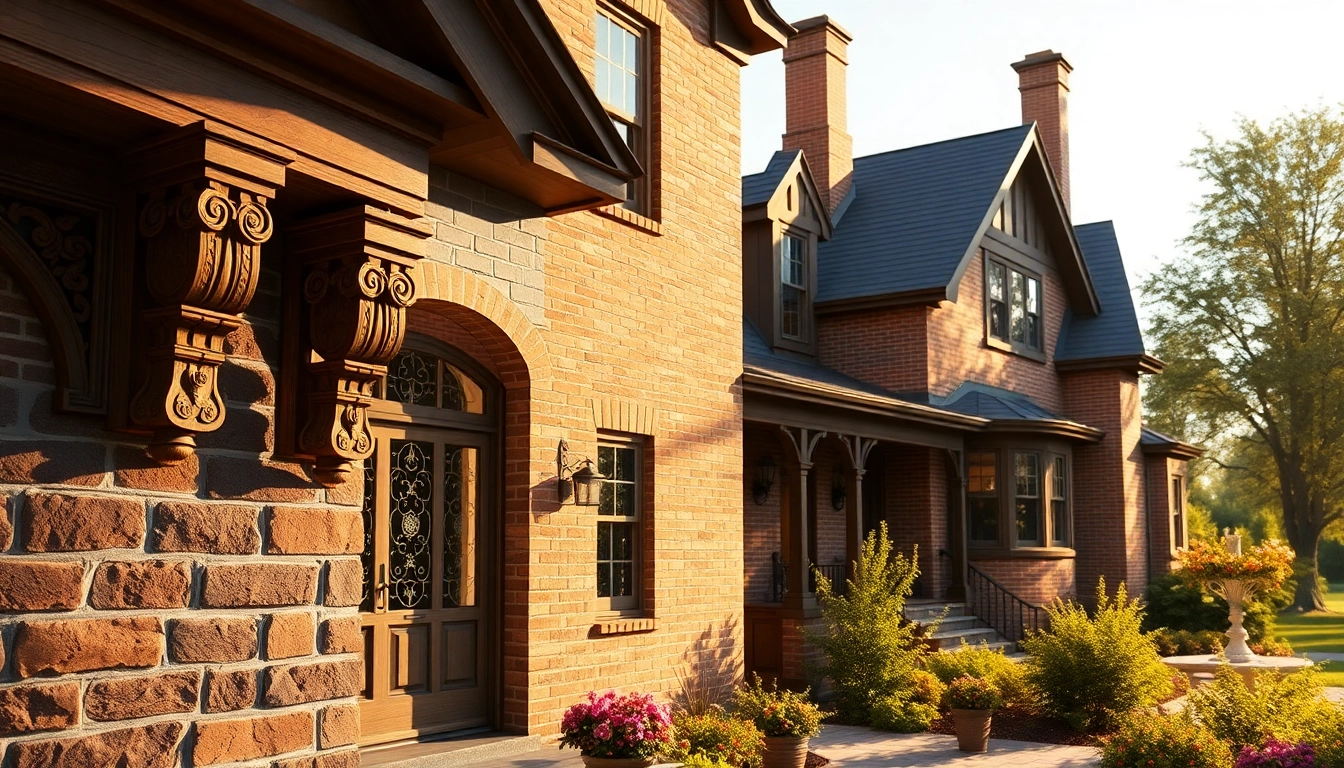
- Matching Materials: Utilize materials that are authentic to the original structure to ensure aesthetics align closely with the existing design.
- Architectural Continuity: Employ similar rooflines, windows, and doors that match the original home’s features for a seamless blend.
- Scale and Proportion: Ensure the addition is proportionate to the original house, respecting its size and scale to avoid overpowering the historic elements.
Benefits of a Historic Home Addition
The advantages of adding to a historic home are manifold. Firstly, it can significantly increase living space and functionality, providing more room for families or entertaining guests. Additionally, a well-planned historic home addition can boost property value. Importantly, such projects can also enhance the home’s historical relevance, allowing owners to retain the charm of the architecture while adapting to modern living standards.
Planning Your Historic Home Addition
Researching Local Regulations and Permits
Before embarking on a historic home addition, it is crucial to research local regulations and zoning laws. Many historic districts have specific guidelines that dictate how modifications can be made to preserve architectural integrity. This may include limitations on exterior changes, specific material restrictions, and requirements for obtaining permits. Engaging with local preservation societies can provide essential insights and clarity on the regulations affecting your project.
Budgeting for Your Addition Project
Creating a budget for a historic home addition can be complex. The costs can range widely based on the type of materials used, the complexity of the design, and local labor rates. A well-structured budget should include all potential expenses such as architectural fees, permits, construction costs, furnishings, and a contingency fund for unexpected expenses. Engaging an architect early in the planning phase can help refine your budget and provide an accurate estimate of costs.
Choosing the Right Architect and Contractor
Selecting the right professionals is critical to the success of your historic home addition. Look for architects and contractors who have experience with historic preservation projects, as they will be familiar with the nuances of working with older homes. Seek referrals and review past projects of your potential hires. This ensures they not only understand zoning laws and historical accuracy but can also deliver quality craftsmanship that respects your home’s heritage.
Design Ideas for Your Historic Home Addition
Combining Modern and Classic Styles
Integrating modern design elements into a historic home addition can create visually stunning contrasts while maintaining respect for the original structure. Consider using modern materials, such as glass or steel, in a way that complements historical elements. For instance, large glass doors can open up the living space while allowing natural light to flood the original areas of the home, providing a contemporary feel without overshadowing the historical aspects.
Utilizing Sustainable Materials
Incorporating sustainable materials in your historic home addition is not just an eco-friendly choice but can also enhance the home’s character. Reclaimed wood, for example, can be used for flooring or beams, adding warmth and history to the new space. Additionally, energy-efficient windows and insulation can be integrated into the design to improve overall energy performance while respecting the heritage of the home.
Maximizing Space and Light
When designing your historic home addition, maximizing natural light and space should be a priority. Open floor plans that allow the addition to flow with the original structure can create a more spacious feel. Using skylights, large windows, or glass walls can effectively bring the outside in, enhancing the home’s ambiance while preserving its historical essence. Thoughtful layouts can also ensure that the new space complements existing areas rather than feeling like a separate entity.
Executing Your Historic Home Addition
Timelines and Construction Processes
Understanding the timeline of your project is essential for effective planning. A typical historic home addition can take several months to over a year depending on the size and complexity. Key construction phases include planning and design, obtaining permits, and the actual building process. Clear communication with your contractor about timelines and expectations can mitigate delays and ensure all parties are aligned throughout the construction process.
Addressing Unexpected Challenges
Historic homes often come with unforeseen challenges that can complicate additions. Issues such as outdated wiring, plumbing problems, or foundational issues may arise once construction begins. To address these roadblocks effectively, work closely with your contractor to develop contingency plans. Being flexible and prepared for potential changes is key to a successful project, along with proactive communication.
Communicating with Contractors Effectively
Effective communication is vital during the execution of your historic home addition. Regular meetings with your architect and contractors provide an opportunity to review progress, address concerns, and make decisions collaboratively. Utilize digital project management tools to track progress, share documents, and communicate updates. This professional approach helps ensure that the project stays on track and that everyone shares the same vision for the final outcome.
Maintaining Your Historic Home Addition
Regular Maintenance Tips
Once your historic home addition is complete, regular maintenance will preserve its beauty and functionality. Schedule routine inspections of the structure, roofing, and exterior finishes to address any wear and tear early. Additionally, ensure that landscaping and drainage are appropriately managed to prevent moisture damage, which can be particularly detrimental to historic materials.
Seasonal Upkeep for Longevity
Seasonal maintenance is crucial for maximizing the longevity of your addition. In the colder months, check for insulation integrity and seal any air leaks. During warmer months, ensure gutters and downspouts are clear of debris to protect the addition from water damage. These routine practices will help safeguard your investment while keeping the home’s aesthetics intact.
Enhancing Curb Appeal Post-Addition
Enhancing curb appeal after your historic home addition can significantly impact how the property is perceived. Consider landscaping elements, such as flower beds or window boxes, that complement the new addition. Additionally, maintaining a cohesive color scheme and architectural features between the original and the new parts of the home can create a unified look that highlights the historic beauty of the entire property.
FAQs
1. What characterizes a successful historic home addition?
A successful historic home addition seamlessly integrates with the original structure, respecting its design, materials, and overall character while enhancing functionality.
2. How can I ensure compliance with local preservation laws?
Research local zoning regulations and consult with local preservation societies or authorities during the planning process for guidance to ensure compliance.
3. What types of materials are best for a historic home addition?
Use materials that match or closely resemble those in the original home, like brick, wood, or stone, combined with sustainable and modern options for improved efficiency.
4. How do I find the right professionals for my project?
Look for architects and contractors experienced in historic preservation. Review portfolios, request referrals, and check references to find qualified professionals.
5. What are common challenges in historic home additions?
Common challenges include structural issues, compliance with regulations, and integrating modern features without compromising historical aspects of the home.