Understanding Structural Steel Welding
Definition and Importance of Structural Steel Welding
Structural steel welding is a vital process that involves joining structural steel components in construction and manufacturing. This form of welding is essential for creating robust frameworks that support buildings, bridges, and various infrastructure projects. The integrity and safety of these constructions largely depend on the quality of the welds, making structural steel welding not just a technical skill but a fundamental requirement in the industry.
The significance of structural steel welding goes beyond mere assembly. It impacts the overall resilience of structures against forces like wind, seismic activities, and other stresses. High-quality welding techniques ensure longevity and durability, enabling structures to withstand time and environmental factors effectively.
Common Applications in Construction and Manufacturing
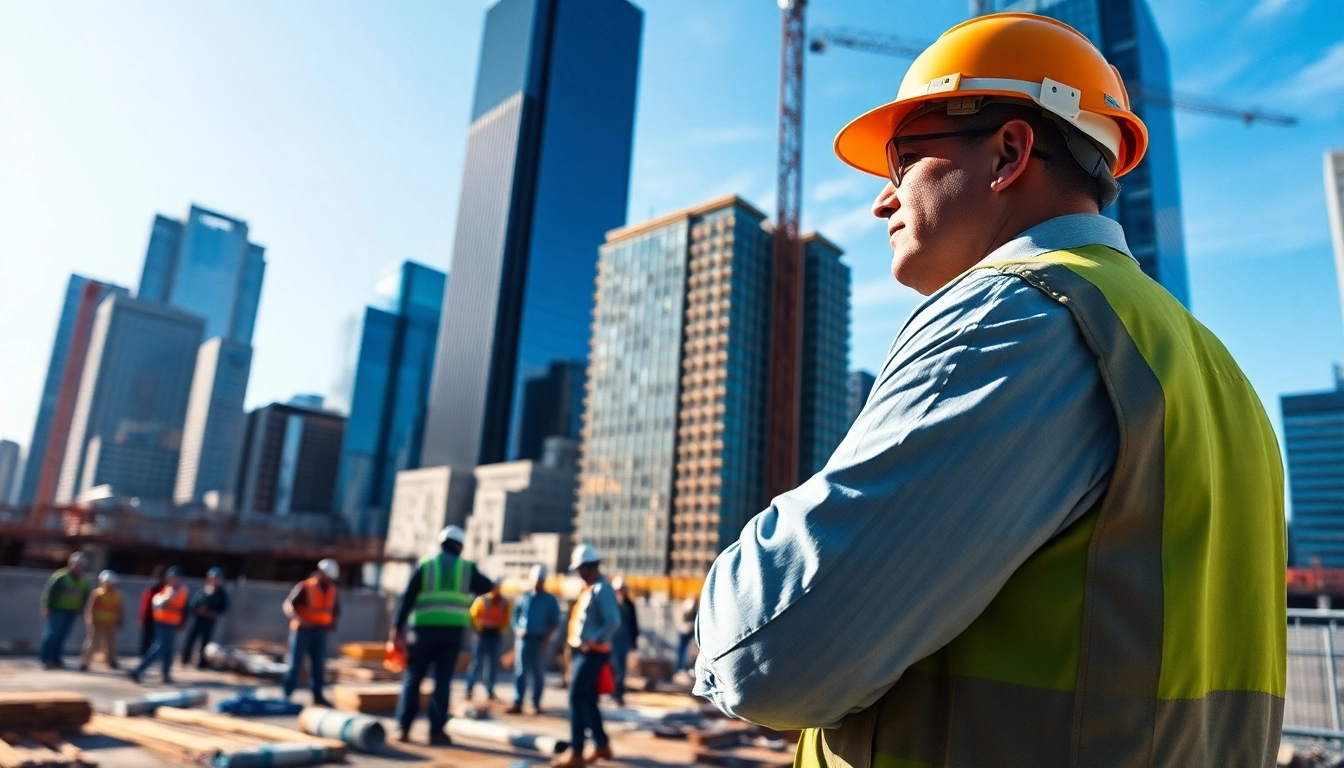
Structural steel welding has a variety of applications in both the construction and manufacturing sectors. In construction, it is used extensively to create frameworks for buildings, bridges, and towers. For example, in high-rise construction, steel beams and columns are welded together to form a rigid structure that can support the weight and resist lateral forces.
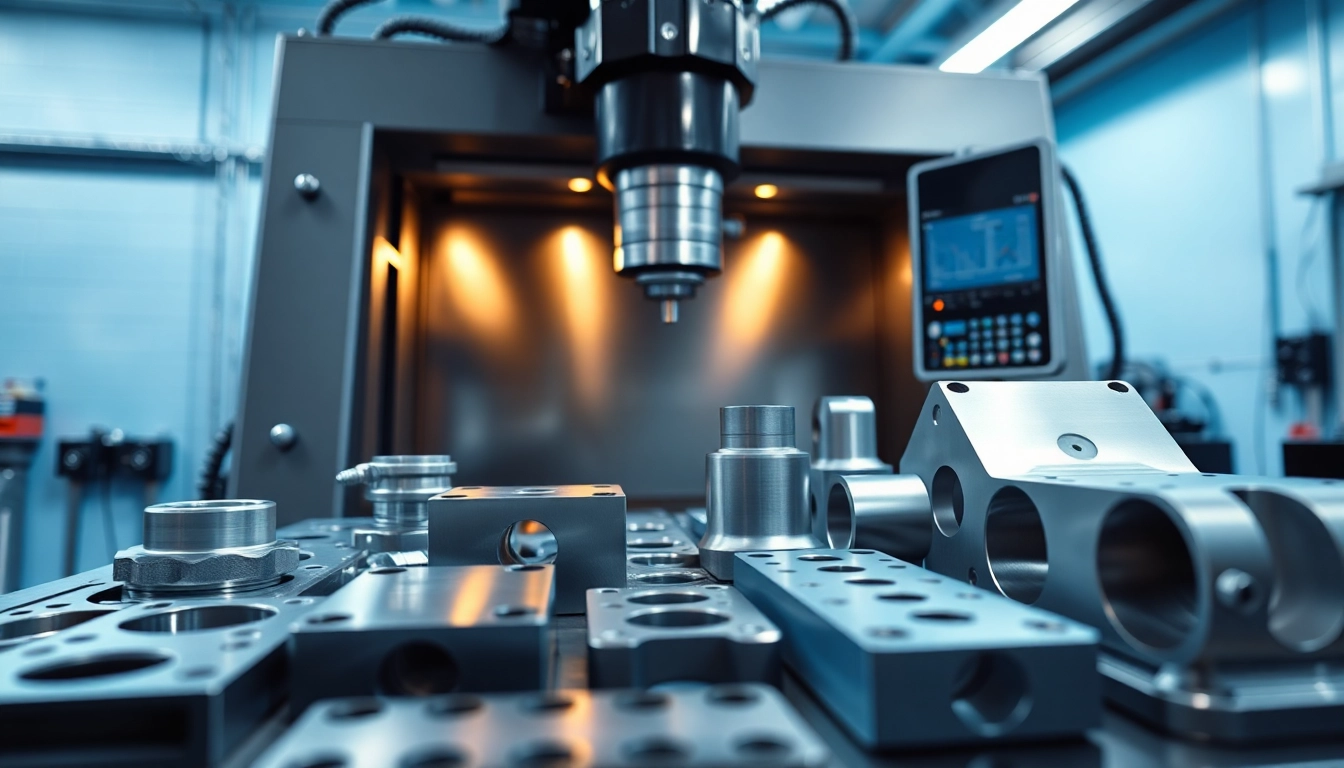
In the manufacturing sector, structural steel welding is employed to produce various goods, from industrial machinery to heavy equipment. Its applications are vital in industries such as automotive, aerospace, and energy where strong and lightweight metal components are necessary.
Basic Principles of Welding Techniques
The core principle of welding involves melting the base metals to form a joint, which then solidifies as it cools down. Understanding this principle is crucial for welders, as the process can vary based on the techniques and materials being used. Common principles include preparing the surfaces to be welded, controlling heat inputs, and considering the cooling rates, as these factors influence the quality of the weld.
In addition, different welding methods may require various filler materials, shielding gases, and techniques to ensure optimal results. Therefore, a thorough knowledge of these variables allows welders to produce high-quality welds suited for specific applications.
Types of Welding Processes for Structural Steel Welding
Shielded Metal Arc Welding Overview
Shielded Metal Arc Welding (SMAW), also known as stick welding, is one of the oldest and most widely used welding techniques for structural steel. It employs a consumable electrode covered with a flux to generate a protective gas shield during the welding process. This technique is beneficial for its versatility in various environments and positions, especially outdoors.
SMAW is particularly effective for thicker materials, making it a favorite in construction sites. However, it requires a skilled operator to control the heat and maintain a proper arc length, ensuring high-quality welds.
Gas Metal Arc Welding Techniques
Gas Metal Arc Welding (GMAW), often referred to as MIG welding, is another prominent technique used in structural steel welding. This process involves using a continuous solid wire electrode that is fed through a welding gun and melted to create the weld. GMAW utilizes a shielding gas, often argon or carbon dioxide, to protect the weld pool from contamination.
The advantages of GMAW include its ability to produce cleaner welds with less smoke and spatter, making it suitable for both indoor and outdoor applications. Additionally, the speed of GMAW allows for increased productivity, thereby reducing overall project time.
Flux Cored Arc Welding Applications
Flux Cored Arc Welding (FCAW) is a semi-automatic or automatic welding process that utilizes a tubular wire filled with flux. This allows for the production of welds without the need for external shielding gas, making FCAW ideal for outdoor applications and various environmental conditions.
FCAW offers high deposition rates and the capability of welding in different positions, similar to SMAW. This process is particularly beneficial for thicker materials and finds extensive use in industries that require robust structures to withstand heavy loads.
Essential Tools and Equipment for Structural Steel Welding
Welding Machines: Types and Features
Choosing the right welding machine is essential for ensuring effective structural steel welding. Available types include SMAW, GMAW, and FCAW machines, each tailored to specific welding processes. When selecting a welding machine, factors such as the required amperage, voltage output, and duty cycle should be considered to match project needs accurately.
Many modern machines come equipped with advanced features like digital displays, automatic settings, and built-in safety mechanisms that enhance usability and performance efficiency. Opting for the appropriate machine can significantly impact the quality of the weld throughout various projects.
Protective Gear and Safety Equipment
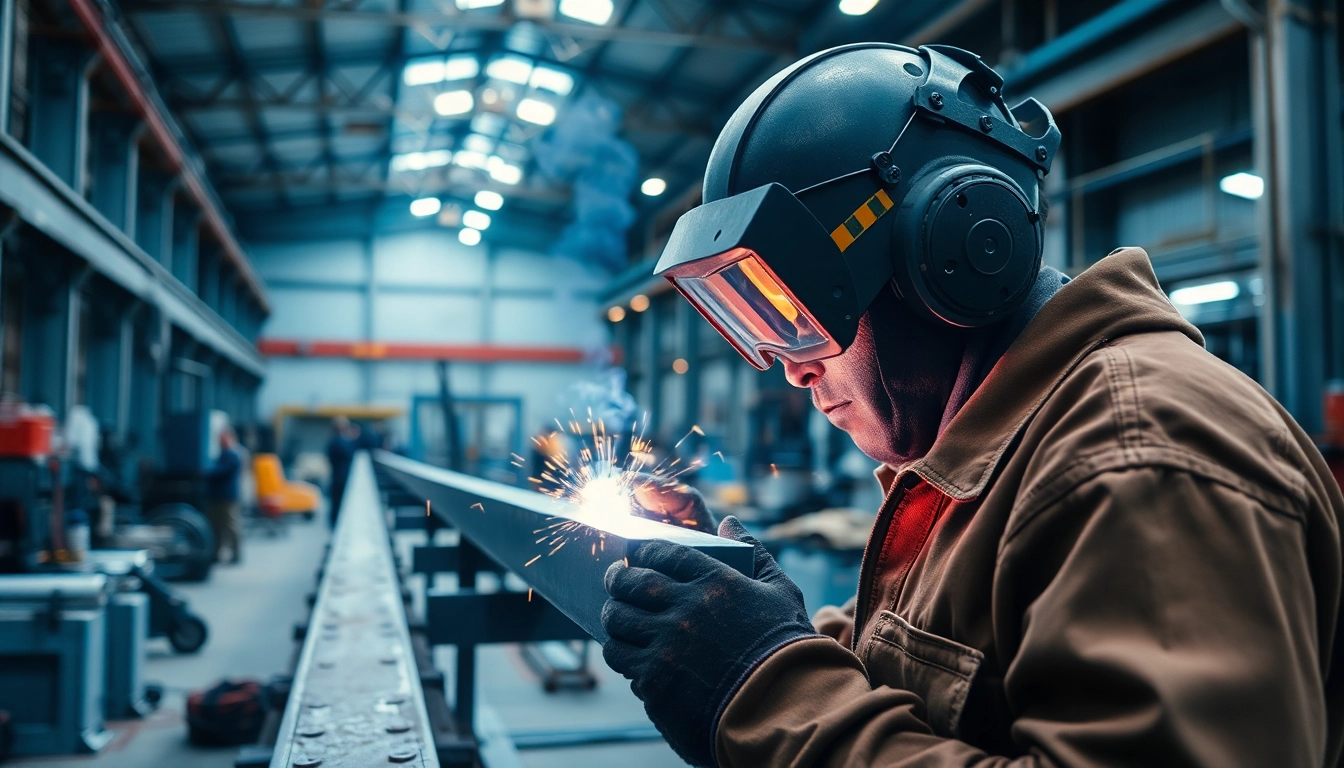
Safety is paramount in structural steel welding, and wearing appropriate protective gear is crucial for welders. Essential equipment includes welding helmets with appropriate shade lenses, gloves that offer thermal protection, flame-resistant clothing, and safety boots. These not only protect the welder from harmful ultraviolet and infrared radiation but also from sparks and molten metal.
In addition to personal protective equipment, ensuring proper ventilation in the workspace is vital to avoid inhaling harmful fumes generated during the welding process.
Hand Tools and Accessories for Precision Welding
Complementing welding machines, additional hand tools such as clamps, grinders, and wire brushes are essential for preparing surfaces and ensuring precise welds. Clamps help in holding steel pieces firmly together during welding, while grinders assist in achieving smooth edges on metal joints, making it easier to form a strong bond. Wire brushes are used for cleaning welds to remove slag and impurities, further contributing to the overall quality and integrity of the weld.
Best Practices for Effective Structural Steel Welding
Preparation Steps Before Welding
Proper preparation is a prerequisite for achieving high-quality welds in structural steel welding. This includes assessing the material, ensuring clean surfaces, and aligning components accurately. Before beginning the welding process, welders should meticulously clean the steel surfaces to remove any contaminants, such as rust, oil, or dirt, which can compromise the weld integrity.
Additionally, ensuring that edges are properly beveled or prepared can enhance the penetration of the weld and produce a stronger joint. Using jigs or fixtures can help align components accurately, reducing errors during the welding process.
Techniques for Ensuring Quality Welds
To secure a high-quality weld, following specific techniques and guidelines is essential. Welders must pay attention to the travel speed, angle of the torch, and the size of the weld bead. Consistent travel speed contributes to uniform heat distribution, while maintaining the right angle ensures proper fusion of the base materials.
Techniques like weaving, when applied appropriately, can enhance the aesthetics and strength of the weld bead. Regularly inspecting and adjusting the settings on the welding machine is also necessary to accommodate changes in the material thickness and position, ensuring optimal results each time.
Post-Welding Inspection and Quality Control
Once the welding process is complete, performing a thorough inspection is crucial for determining the quality of the welds. Common methods include visual inspection, ultrasonic testing, and radiographic testing, depending on the project requirements and regulations. Identifying defects such as cracks, incomplete fusion, or excessive porosity early on can prevent larger issues before the project advances to further stages.
Incorporating continuous quality control procedures allows welders and contractors to maintain high standards in their work, ensuring that structures remain safe and durable over time.
Challenges and Solutions in Structural Steel Welding
Common Issues Experienced by Welders
Welders often encounter several challenges during structural welding projects, including warping, distortion, and the presence of impurities in the weld pool. Warping can result from the rapid heating and cooling cycles associated with welding, leading to undesirable changes in material shape. Similarly, contamination can weaken the integrity of the weld, necessitating thorough cleaning and preparation beforehand.
Additionally, environmental factors such as wind and humidity can affect welding processes in outdoor applications, leading to inconsistent weld quality.
Effective Troubleshooting Methods
To mitigate these challenges, welders need to apply effective troubleshooting methods. For instance, if warping occurs, controlling heat input through reduced amperage or adjusting travel speed can help limit distortion. Implementing proper fixturing techniques can also secure components firmly in place, reducing the probability of warping.
For contamination issues, establishing a thorough pre-welding inspection and preparation protocol to ensure cleanliness can significantly improve weld quality. Furthermore, utilizing suitable shielding gases and maintaining optimal arc stability can counteract some environmental influences during welding.
Continuous Improvement and Skill Development
Continuous improvement is essential for welders striving to enhance their skills in structural steel welding. Regular training programs, certifications, and workshops can keep welders updated on the latest techniques and technologies within the field. Engaging in collaborative learning with experienced professionals and participating in forums allows newcomers to gain insights and practical tips that can elevate their welding capabilities.
Moreover, adopting a mindset of lifelong learning and actively seeking out feedback can lead to more proficient welding practices, better safety adherence, and improved project outcomes.