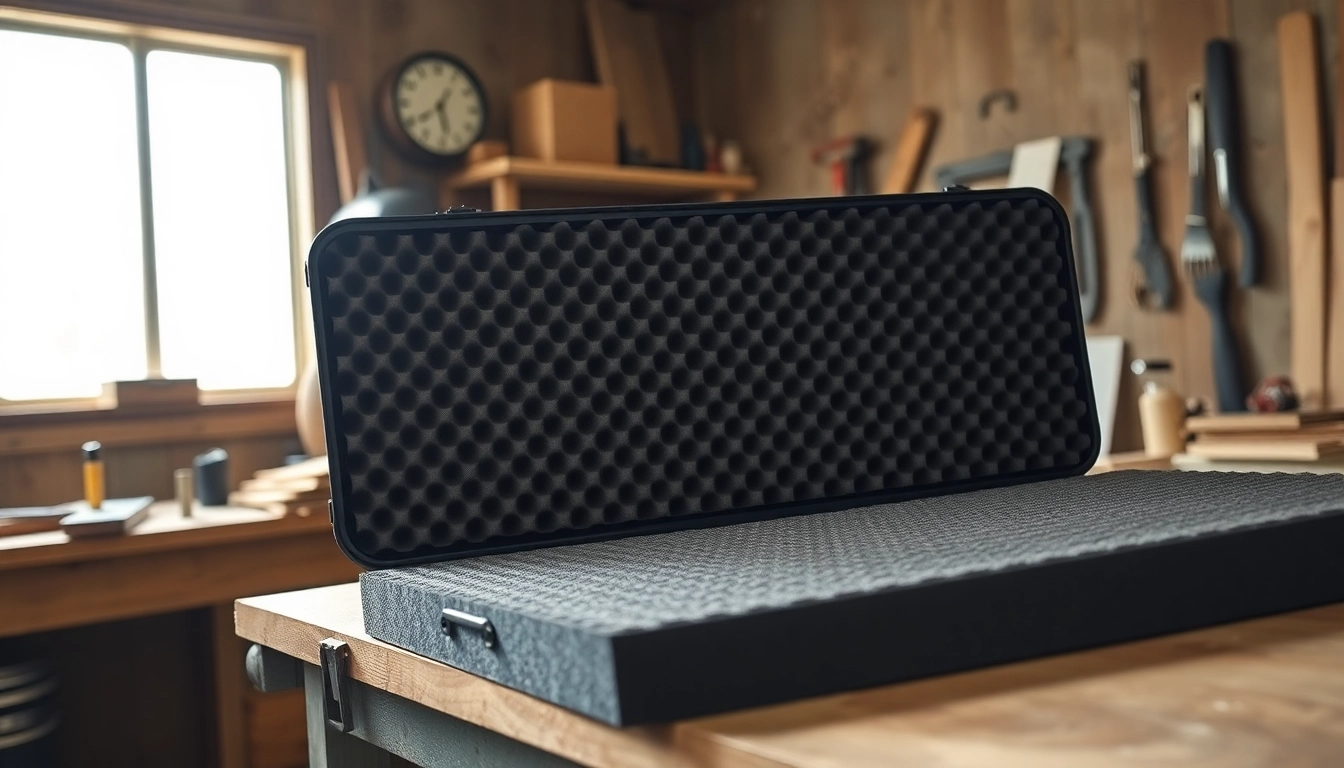
Understanding the Importance of Foam for Rifle Case
When it comes to safeguarding your firearms, a quality rifle case is essential. However, one of the most critical components often overlooked is the foam inside the case. Selecting the right foam for rifle case not only enhances protection but significantly contributes to the longevity and performance of your equipment. This guide will delve deep into various aspects of foam selection, customization, and maintenance that can ensure your rifle remains in top condition.
Why Foam Matters for Protection
Foam serves as the first line of defense against shocks, vibrations, and environmental factors that can compromise the integrity of your rifle. It cradles the firearm, preventing movement within the case and absorbing impacts from drops or bumps. Without proper foam, even the sturdiest case can fail to protect your valuable equipment effectively. Foam also provides basic cushioning that minimizes wear and tear during transportation, making it a critical element of firearm storage.
Types of Foam Options Available
Understanding the various types of foam available for rifle cases can help consumers make informed choices. Generally, there are three main types:
- EVA Foam: Commonly used for its flexibility and resilience, EVA (Ethylene Vinyl Acetate) foam is lightweight and incredibly resistant to compression.
- Polyethylene Foam: This type offers excellent shock absorption and is often used for high-end rifle cases due to its durability and resistance to chemicals.
- Memory Foam: While not as common for rifle cases, memory foam molds to the shape of your rifle, providing custom support.
Choosing the right type of foam will depend on your specific needs, particularly in terms of protection level, weight, and type of rifle.
How Foam Quality Affects Durability
The quality of foam directly influences the durability and reliability of your rifle case. High-quality foam maintains its shape over time, resisting degradation even under stress. Conversely, low-quality foam can break down quickly, losing its shock-absorbing properties and offering insufficient protection. Investing in quality foam may have a higher upfront cost but pays dividends in long-term protection and use.
Choosing the Right Foam for Your Rifle Case
Factors to Consider: Size and Shape
Before selecting foam for your rifle case, accurate measurements of the rifle and its accessories are critical. Custom-fit foam ensures that the firearm sits snugly without excess movement, which is vital for preventing potential damage. Considerations should also include the shape of the rifle; odd or unique configurations may require unconventional foam cuts to provide optimal protection.
Understanding Density and Firmness
The density of foam indicates its weight and compressibility. Higher density foams tend to be firmer and offer greater protection, making them suitable for high-impact environments. On the contrary, lower-density foams provide more cushioning but at the expense of protection. Thus, users should evaluate the firmness of foam against the level of protection needed based on their unique circumstances.
Evaluating Water Resistance and Shock Absorption
Water resistance is a crucial feature, especially for those who may be exposed to elements during transportation. Foam that is treated or manufactured to be water-resistant can prevent moisture damage to the firearm. Additionally, the shock absorption capability will vary among foam types; selecting materials designed for high impact will ensure that your rifle withstands the rigors of travel and storage.
Customizing Foam Inserts for Enhanced Protection
Measuring Your Rifle for Foam Fit
Obtaining accurate measurements of your rifle is integral for effective foam customization. Use a measuring tape to record the length, width, and height of your rifle, paying attention to any accessories like scopes or bipods. With these dimensions, you can begin devising a foam layout that snugly holds your equipment and protects it from movement.
Trimming Foam for a Perfect Shape
Once you’ve obtained the appropriate foam, trimming it to fit your rifle precisely may be required. Utilize a sharp utility knife or electric knife for clean cuts and smooth edges, ensuring a professional finish. Test fit the pieces as you cut to achieve desired snugness without obstructing access or usability of your firearm.
Layering Techniques for Extra Cushioning
To enhance protection, especially for more delicate components, layering different foam types can provide additional cushioning. By combining denser foam with a softer outer layer, you achieve an effective blend of shock absorption and comfort. Additionally, strategically layering allows for custom contouring for various attached accessories, which further stabilizes your setup.
Common FAQs on Foam for Rifle Case
How to Clean and Maintain Foam Inserts?
Cleaning foam inserts can be done using a mild soap solution and gentle scrubbing. Avoid harsh chemicals that can degrade the foam. Regular inspections help in maintaining its quality, while storing in a cool, dry place protects against mold and mildew.
Can I Replace Foam in My Existing Rifle Case?
Yes, foam inserts can be replaced in most rifle cases. Measure your rifle and select foam that meets or exceeds the specifications of the original material for optimal protection.
What is the Best Type of Foam for Firearms?
The best type of foam depends on your usage and needs. Polyethylene foam is often preferred due to its durability and shock absorption. However, EVA foam is also a strong candidate for its flexibility and resilience.
Will Foam Protect My Rifle from Water Damage?
Water-resistant foam can protect against moisture, but it’s essential to check the specifications. Using waterproof cases along with foam can provide an extra layer of security against water damage.
How Long Will Foam Last in a Rifle Case?
The lifespan of foam inserts depends on quality and care. High-density foams can last several years if maintained properly. Regularly check for wear and replace when necessary to ensure optimal protection.
Maximizing the Lifespan of Foam for Rifle Case
Storing Your Case Properly
Proper storage of your rifle case is essential in prolonging the life of the foam. Keep the case in a stable environment free from extreme temperatures and humidity. A climate-controlled area is ideal. Avoid stacking heavy items on top of the case to prevent compressing the foam.
Inspecting Foam for Signs of Wear
Regularly inspect your foam inserts for visible signs of wear, such as cracks or excessive compressions. Early detection of these issues allows for timely replacement or repair, ensuring that your rifle continues to be protected effectively.
Upgrading Foam Inserts as Needed
As your needs evolve, consider upgrading your foam inserts. Whether to accommodate new accessories or enhanced protection, selecting higher-quality or more specialized foam can significantly improve the functionality of your case and performance of your firearm.