As the chill of winter approaches, keeping warm becomes a top priority for outdoor enthusiasts and everyday individuals alike. In this quest for warmth, neck warmers and balaclavas have emerged as essential accessories, offering a fusion of comfort, versatility, and protection against the elements. Understanding how to make the most of these items can enhance your winter experience significantly, whether you’re hitting the slopes or just braving the cold on your daily errands.
Understanding Neck Warmers and Balaclavas
What are Neck Warmers and Balaclavas?
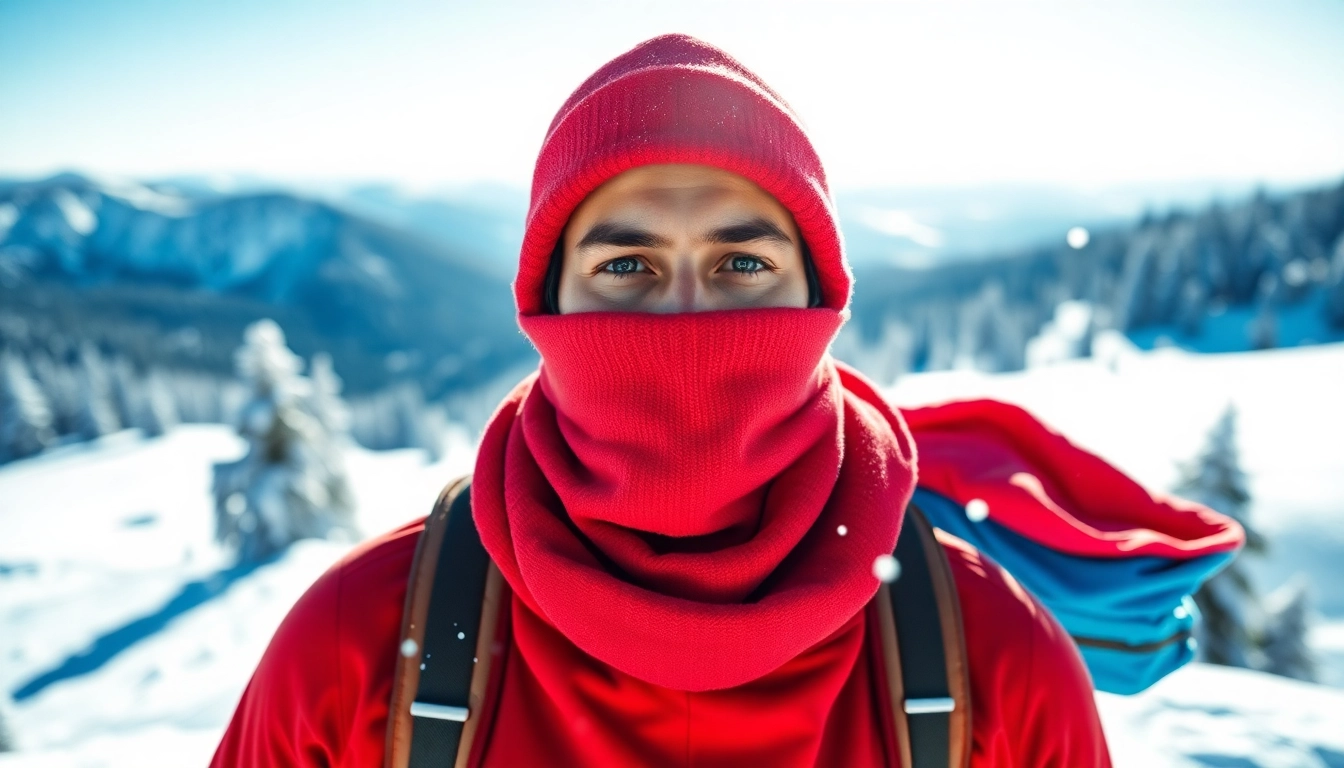
Neck warmers and balaclavas are two types of head and neck accessories designed to provide warmth and protect against cold weather conditions. A neck warmer, often referred to as a neck gaiter, is a tube of fabric that wraps around the neck, offering insulation without the bulk of a traditional scarf. On the other hand, a balaclava is a full-head covering that usually leaves openings for the eyes, mouth, and sometimes the neck, providing complete coverage to withstand harsh weather.
Benefits of Using Neck Warmers and Balaclavas
The primary advantage of neck warmers and balaclavas is their ability to trap heat effectively while allowing moisture to escape, keeping you warm and dry. These accessories are lightweight, which makes them easy to carry and wear without feeling cumbersome. Additionally, they reduce wind chill and provide protection from snow and rain, making them perfect for skiers, snowboarders, and anyone who spends time outdoors in cold climates.
Types of Materials Used
Neck warmers and balaclavas are made from a variety of materials, each offering different characteristics:
- Fleece: Soft, warm, and breathable, fleece is a popular material for winter accessories.
- Merino Wool: Known for its natural insulating properties and moisture-wicking capabilities, merino wool is soft against the skin and odor-resistant.
- Polyester Blend: Durable and often treated for water resistance, polyester blends provide flexibility while retaining warmth.
- Softshells: Offering wind and water resistance, softshell materials are ideal for extreme conditions.
How to Choose the Right Neck Warmers and Balaclavas
Key Features to Consider
When selecting neck warmers and balaclavas, consider factors such as:
- Material: Select a fabric that balances warmth and breathability according to your needs.
- Fit: A snug fit ensures that they stay in place and provide maximum warmth.
- Breathability: Look for features like mesh panels that improve airflow during high activity.
- Adjustability: Some models come with drawcords that allow for a customized fit.
Sizing and Fit Guidelines
Sizing can vary significantly between brands, so always check manufacturer sizing guides. Generally, neck warmers should fit snugly around the neck without being too tight, allowing room for layering. For balaclavas, ensure that they cover your ears and forehead without constricting your facial movements or vision.
Style Options for Different Activities
Neck warmers and balaclavas are not a one-size-fits-all solution. They can vary in style and design:
- Casual Everyday Styles: Choose neck warmers or balaclavas in stylish colors or patterns for regular wear.
- Performance Models: Opt for aerodynamic, low-profile designs for skiing or biking, which often feature extra ventilation.
- Heavy-Duty Options: For extreme weather conditions, look for insulated or windproof materials.
Top Uses for Neck Warmers and Balaclavas
Winter Sports and Outdoor Activities
For winter sports enthusiasts, neck warmers and balaclavas are indispensable. Whether skiing, snowboarding, or ice climbing, these accessories protect skin from frostbite while ensuring breathability during high-energy activities. Their lightweight construction makes them easy to stow in pockets when not in use.
Everyday Wear for Cold Weather
Neck warmers and balaclavas are not just for athletes; they are also practical for everyday life. During chilly morning commutes or evening strolls, they provide excellent coverage and warmth, ensuring that you can go about your day without being hindered by the cold.
Fashion Trends Featuring Neck Warmers and Balaclavas
Interestingly, neck warmers and balaclavas have found their way into fashion. Designers have embraced their functionality, creating stylish versions that complement winter outfits. People now wear them not just for warmth but as a fashionable accessory that can bring a chic edge to cold-weather attire.
Care and Maintenance Tips
Washing Instructions for Durability
To prolong the lifespan of neck warmers and balaclavas, it’s essential to follow proper washing instructions. Many items can be machine washed on a gentle cycle, but it is often recommended to hand wash with cold water to avoid shrinking or pilling. Always refer to the care label for specific instructions.
Storing Neck Warmers and Balaclavas Correctly
Proper storage is crucial. After washing, ensure they are completely dry before folding them flat or rolling them to prevent mildew. Store in a cool, dry place away from direct sunlight to maintain fabric integrity.
Repairing Common Issues
Common issues, such as small tears or fraying, can often be repaired with some sewing skills. Utilize matching threads and simple stitch patterns to extend the usability of your neck warmers and balaclavas. In severe cases, consider patching with fabric glue, which is both practical and clean.
Frequently Asked Questions about Neck Warmers and Balaclavas
How do I select the right size?
Check the manufacturer’s sizing guide. A neck warmer should fit snugly, while a balaclava should cover your forehead and ears comfortably.
Can I wear neck warmers and balaclavas in warm weather?
Yes, lightweight and breathable options can be worn in cooler evenings or windy conditions during warmer weather, providing comfort without overheating.
What are the best ways to clean them?
Hand wash in cold water or machine wash on a gentle cycle. Avoid fabric softeners, and air dry for the best results.
Are they suitable for sensitive skin?
Many neck warmers and balaclavas are made with soft materials like merino wool or fleece, which are generally suitable for sensitive skin. Always check the fabric content before purchasing.
How do I ensure they stay in place during activities?
Look for adjustable features such as drawstrings or a snug fit at the neck and head. Materials with a bit of stretch can also help keep them secure during movement.